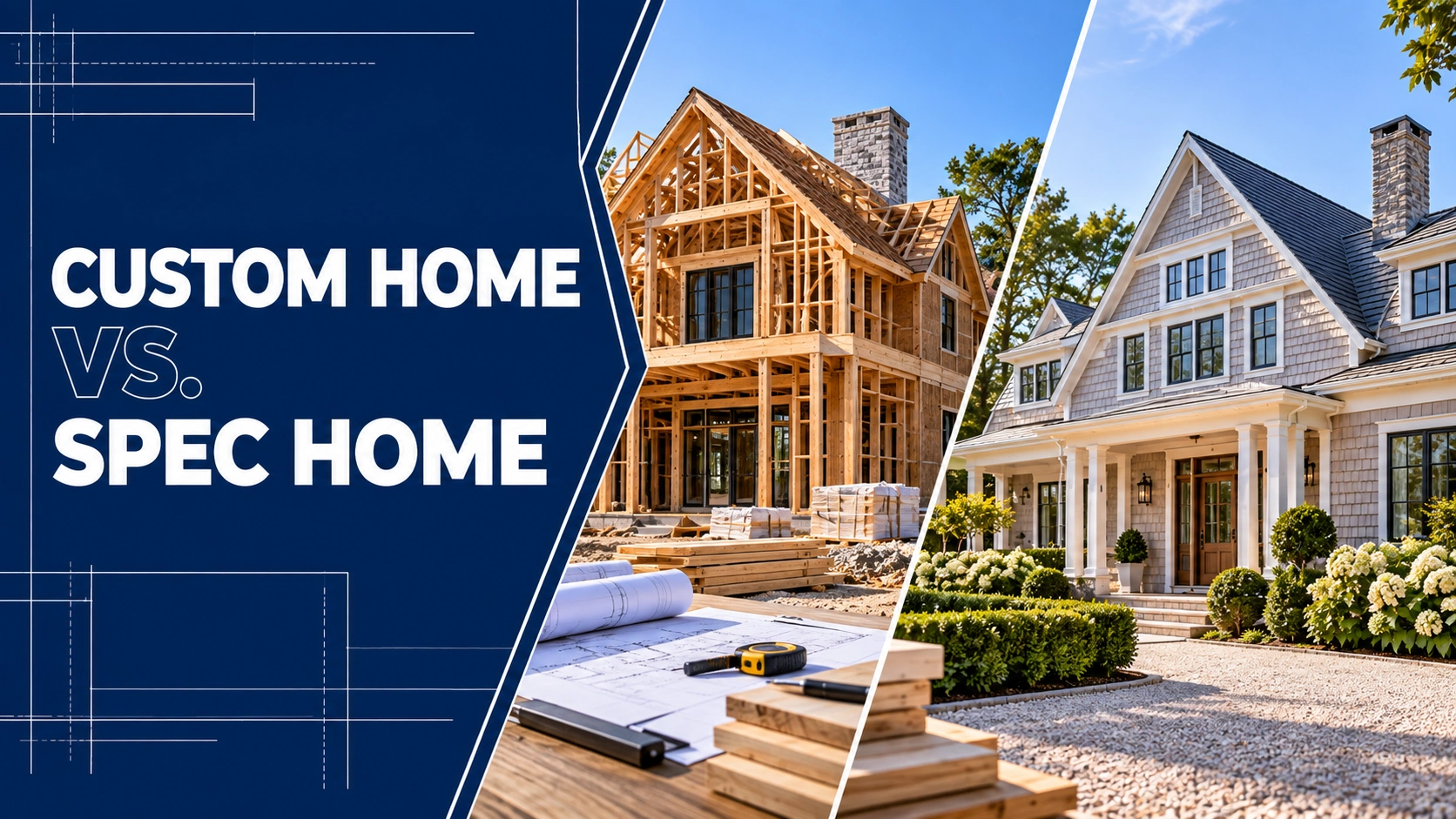

Both hiring an architect independently and hiring a design-build firm put a licensed architect on your project. The real difference is who that architect works for, how early construction pricing enters the conversation, and how much independent oversight you want through the build.
This guide covers what each path actually involves, when a project needs an architect at all, and how to tell whether a design-build firm’s in-house architect is genuinely licensed rather than just a designer with the title.
Key Takeaways
- Hiring an architect independently and hiring a design-build firm both involve a licensed architect; the difference is who that architect works for and when construction pricing enters the process.
- New York requires stamped drawings from a state-licensed architect for permit filing, regardless of which path you choose.
- An independent architect tends to make the most sense for highly custom, design-driven projects or properties inside a historic district overlay.
- Design-build tends to move faster, since construction pricing develops alongside the design rather than after drawings are finished and bid out.
- Cosmetic updates within an existing footprint generally don’t require an architect at all; structural or footprint changes do.
- Confirming that a design-build firm’s architect is independently licensed, not just an in-house designer, is one of the simplest ways to verify the firm is genuinely integrated.
What Each Path Actually Means
Hiring an architect independently means contracting a designer whose only obligation is to you, producing drawings that later get priced and built by a contractor selected separately. A design-build firm collapses that into one contract, with the architect and construction team working for the same company from the start.
Both paths are part of the full design-build process in a broader sense, since even an independently hired architect’s drawings eventually need a construction team to execute them. The table below breaks down how the two paths compare.
| Factor | Hiring an Architect First | Hiring a Design-Build Firm |
| Who You Contract | An independent architect, then a separate contractor later | One firm covering both design and construction |
| Design Oversight | Architect represents your interests exclusively through construction | Same team designs and builds; oversight is internal |
| Pricing Timeline | Real pricing comes after drawings are complete and bid out | Pricing develops alongside the design |
| Best Fit | Highly custom, design-driven projects or historic properties | Projects where speed and single-point accountability matter most |
In practice, the choice often comes down to a single question: do you already have a strong relationship with an architect whose work you trust, or are you starting from scratch? Homeowners with an existing architect relationship frequently stick with that path even when a design-build firm might otherwise be a good fit, since continuity with a trusted designer carries its own value.
Do You Even Need an Architect?
Not every project requires one. Cosmetic updates, refinished floors, new cabinetry, swapped fixtures, generally don’t need architectural drawings, since they don’t change the home’s structure, layout, or footprint.
Once a project touches structure, layout, or footprint, an architect becomes necessary rather than optional, since village building departments typically require stamped drawings before issuing a permit for that kind of work.
Removing a wall, relocating a kitchen, adding a second story, or expanding a home’s footprint all fall into this category. Even a project that looks cosmetic on the surface, like converting a garage into living space, usually counts as a footprint or use change that requires architectural drawings and a permit.
When Hiring an Architect Independently Makes Sense
An independently hired architect makes the most sense when independent design oversight matters more than speed, particularly on highly custom, design-driven projects or homes inside a historic district overlay, where specific review experience carries real value.
Hiring an architect independently also means a separate decision awaits once drawings are complete: whether to bid the finished design to a general contractor or bring in a design-build team at that stage. The general contractor comparison covers that decision in more depth.
When a Design-Build Firm Makes Sense
A design-build firm tends to make more sense when speed and single-point accountability matter most, or when a homeowner would rather not coordinate two separate contracts through the life of a project.
Choosing a design-build firm also means construction pricing develops alongside the design from the earliest concept sketches, rather than arriving only after drawings are complete and sent out to bid.
Single-point accountability also matters most when a project is likely to encounter surprises, an older home with unknown structural conditions, a tight coastal lot, or a village known for a demanding review process. In those situations, having one team responsible for adjusting both the design and the construction plan tends to prevent the kind of stalemate that can happen when two separate firms disagree about who should absorb a change.
Why the Architect’s License Matters Either Way
Whichever path you choose, the drawings submitted for a permit still need to come from a New York-licensed architect. Licensure isn’t optional, and it doesn’t change based on whether that architect works independently or as part of a design-build team.
Some firms market themselves as design-build without an actual licensed architect on staff, instead outsourcing design work to an outside party while presenting it as in-house. Asking directly who holds the license and reviews the stamped drawings is a simple way to confirm a firm is what it claims to be.
New York’s Office of the Professions maintains a public license lookup for architects, which makes verifying a specific individual’s license status a quick step rather than something you have to take on faith.
Skipping this check carries real risk beyond a technicality. Drawings stamped by someone without an active license can be rejected outright by a village building department, sending a project back to square one after time and design fees have already been spent.
Things to Know
- New York requires architects to be individually licensed by the state education department, and stamped drawings are required for permit filing regardless of which path you choose.
- AIA membership isn’t a licensing requirement, but it signals a code of ethics and continuing education some homeowners use as an added screening factor.
- Historic district overlays in parts of Southampton Village and East Hampton Village often benefit from an architect with specific experience navigating that review process.
- An architect hired independently typically remains involved through construction to confirm the build matches the drawings, a service usually billed separately from the design fee.
- Some firms market themselves as design-build without an actual licensed architect on staff, outsourcing design work while presenting it as in-house.
- Getting a contractor’s input during the design phase, even when hiring an architect independently, tends to keep the design closer to what’s actually buildable within budget.
Frequently Asked Questions
Do I need an architect for a home renovation?
It depends on the scope. Cosmetic updates like finishes, fixtures, or cabinetry generally don’t require an architect, but any change to a home’s structure, layout, or footprint does.
Village building departments typically require stamped architectural drawings before issuing a permit for structural work, which is what makes an architect necessary rather than optional once a project moves beyond finishes.
Is a design-build firm’s in-house architect a licensed architect?
In a genuinely integrated design-build firm, yes, the design work is produced or overseen by a New York-licensed architect on staff.
Some firms market themselves as design-build without an actual licensed architect in house, instead outsourcing design work while presenting it as part of one team. Asking who holds the license and reviews the stamped drawings is a direct way to confirm this.
Does hiring an architect first give me more design control?
Somewhat, since an independently hired architect represents only your interests through the design and construction process, without a contractor’s cost pressures in the room.
That independence can matter most on highly custom or historic projects, though it comes with the tradeoff of coordinating two separate contracts rather than one.
Is it more expensive to hire an architect and contractor separately?
Not necessarily; the total project cost often ends up similar, but the two paths spread that cost differently across the timeline.
Hiring separately means paying for design work upfront with construction pricing determined later through bidding, while design-build folds planning and construction pricing into one ongoing process from the start.
Can I switch from an independent architect to a design-build firm partway through?
Yes, though it usually means the design-build firm’s team reviews and takes ownership of the existing drawings before construction begins.
This works most smoothly when the original architect’s drawings are far enough along to bid from, but not yet under construction. Switching mid-build is more complicated and best avoided if possible.
Deciding Who Leads the Design Conversation First
Whether you hire an architect independently or bring on a design-build firm from day one, the decision comes down to how much independent design oversight you want and how quickly you want construction pricing in the conversation.
Hamptons Luxury Design + Construction works as a fully integrated design-build firm across Southampton, East Hampton, Sag Harbor, Water Mill, and the surrounding villages, with a New York-licensed architect on the team from the first concept sketch. A site evaluation and initial conversation is the most reliable way to see whether that structure fits your specific project.