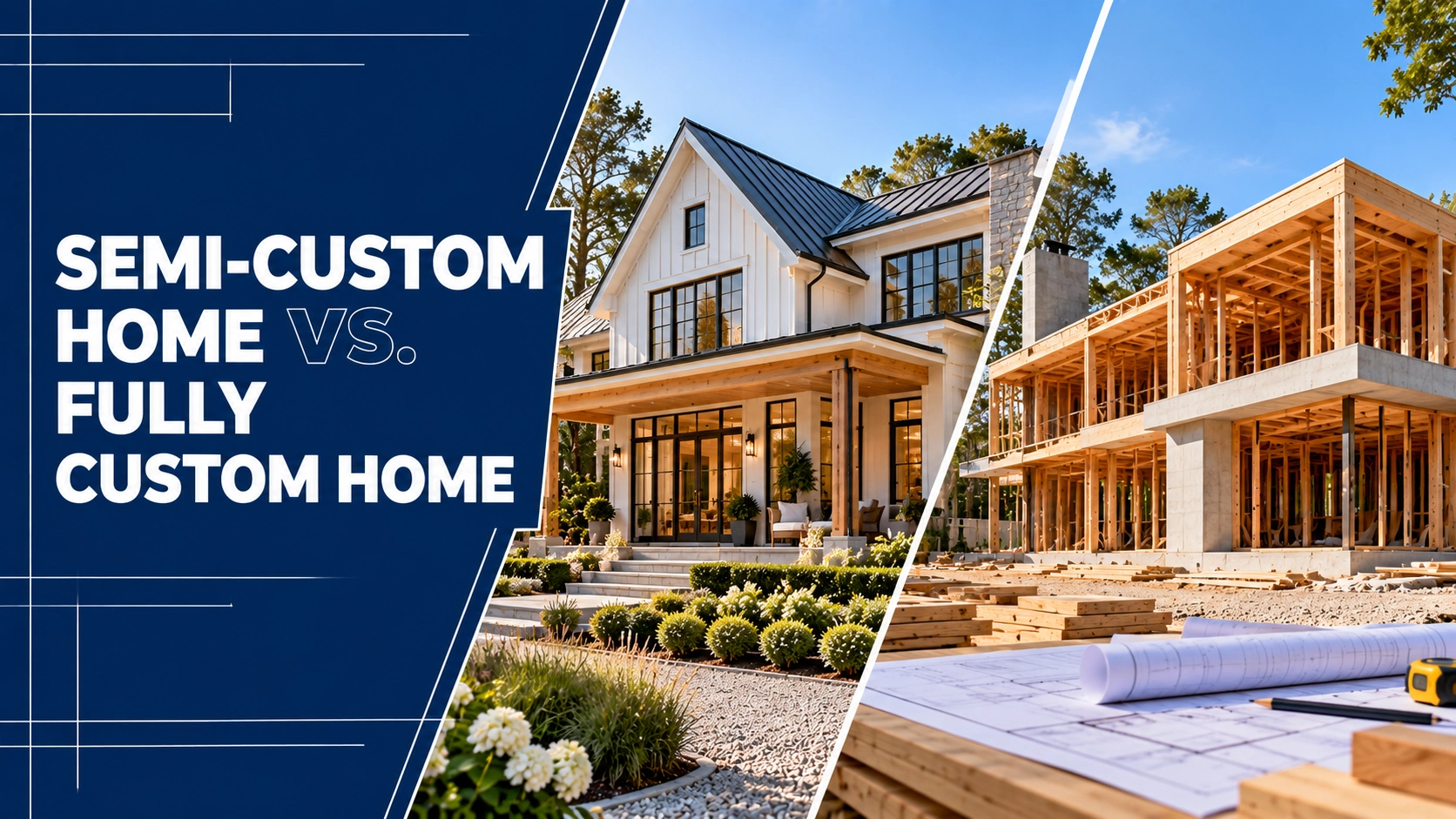
A semi-custom home starts from a builder’s existing floor plan with room to adjust finishes and some layout details, while a fully custom home is designed from scratch, and the difference mainly comes down to cost, timeline, and how much can actually change.
Key Takeaways
- Semi-custom homes start from a builder’s existing floor plan; fully custom homes start from a blank site.
- Semi-custom builds typically finish several months faster than a comparable fully custom project.
- Load-bearing walls and the overall footprint are usually fixed in a semi-custom plan.
- Finishes, fixtures, and some layout details are usually open to a buyer’s selections.
- Semi-custom pricing sits between a spec home and a fully custom build.
- Confirming exactly what can be changed before signing avoids mismatched expectations mid-build.
Semi-Custom Construction, Defined
A semi-custom home starts from a builder’s existing floor plan rather than a blank site. The overall footprint, structural layout, and load-bearing walls are typically already engineered, but a buyer still has meaningful input on finishes, fixtures, cabinetry, and often some interior layout details within that existing shell.
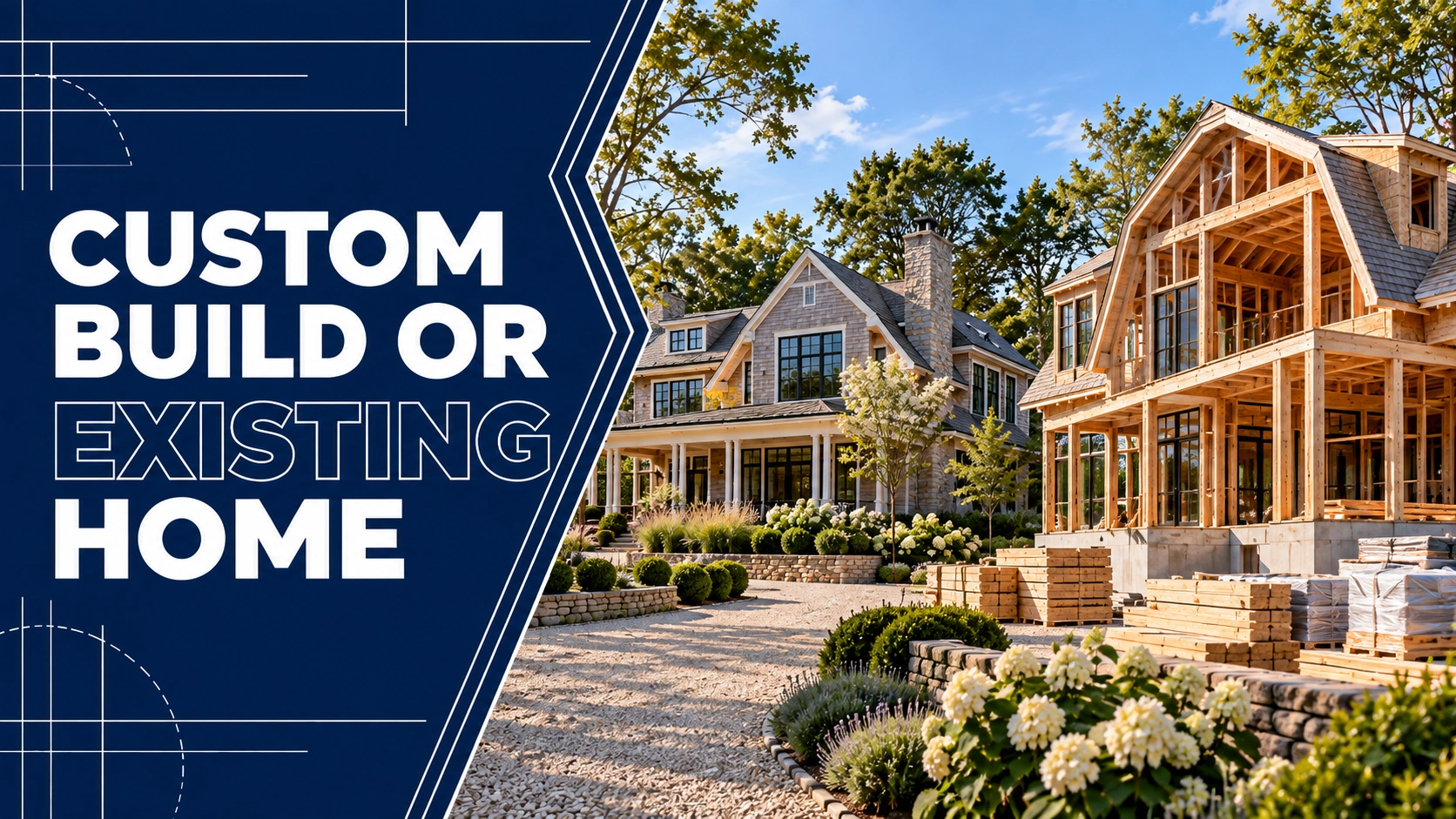
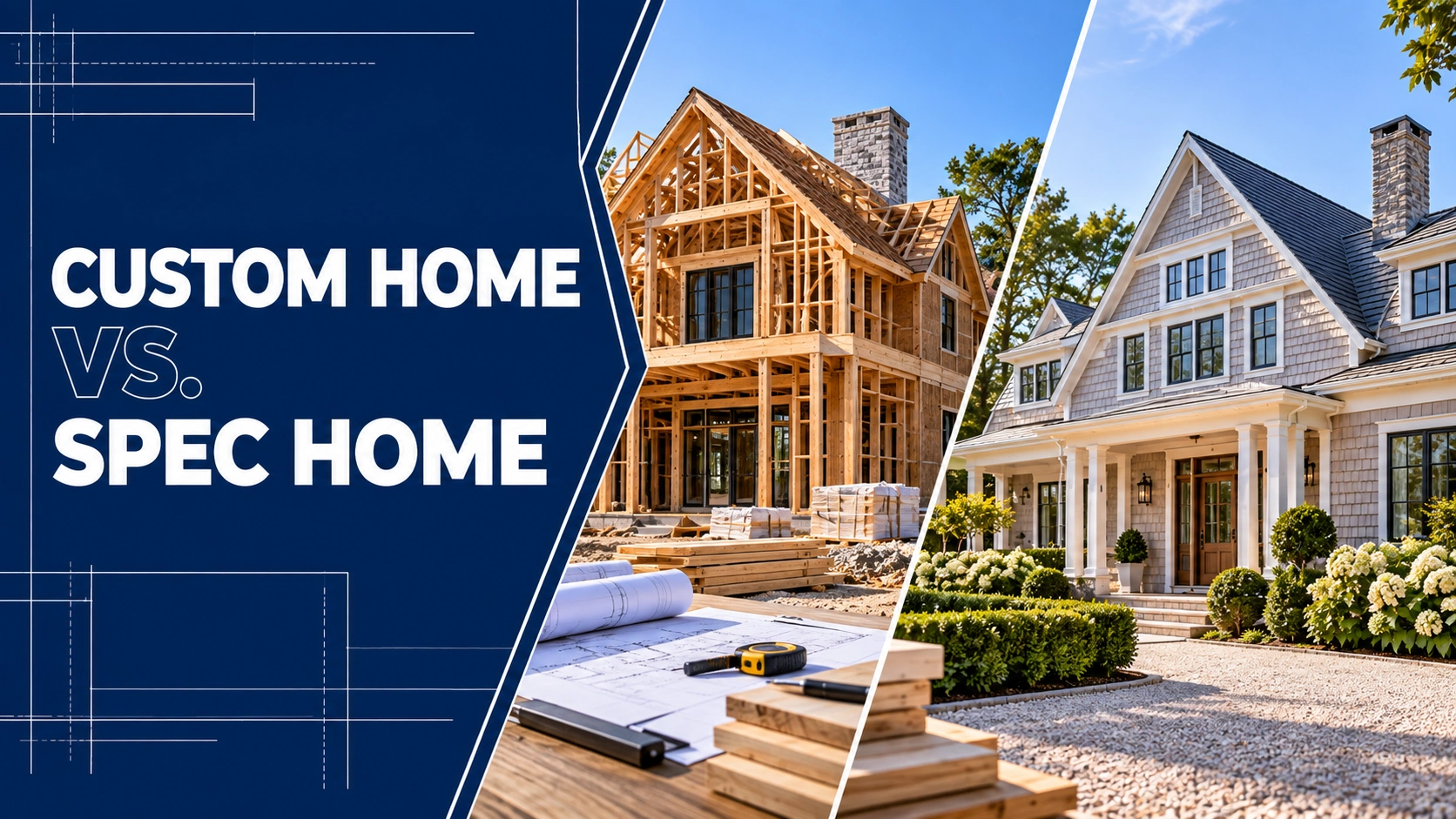
This sits between the two paths covered in custom home versus spec home: a fully custom home gives complete control but takes longer and costs more, while a spec home offers speed and a fixed price with little room to change anything. Semi-custom construction borrows a bit from each, a shorter timeline than fully custom, more input than a spec purchase allows.
The exact split varies by builder. Some semi-custom programs are close to fully custom in flexibility, with only a handful of core structural elements fixed. Others sit closer to a spec model, with a longer list of preselected finishes and just a few customizable options, so the label alone doesn’t guarantee a specific level of flexibility.
What You Can and Can’t Change
In most semi-custom programs, finishes are where the flexibility lives. Flooring, cabinet styles, countertops, plumbing fixtures, paint colors, and lighting are typically open to a buyer’s selections within a curated set of options.
Structural elements are usually fixed. Overall square footage, the position of load-bearing walls, and the roofline typically can’t move without triggering a re-engineering process that erases most of semi-custom’s time and cost advantage. Minor layout changes, expanding a closet, adding a mudroom nook, or shifting a non-structural wall, are sometimes possible depending on the builder and how early in the process the request comes.
| Element | Typically Changeable? |
| Finishes and fixtures | Usually yes |
| Cabinet layout and countertops | Usually yes |
| Paint colors and flooring | Usually yes |
| Non-structural interior walls | Sometimes, if requested early |
| Overall footprint and square footage | No |
| Load-bearing walls and roofline | No |
Timing matters as much as the item itself. A finish swapped during the selections phase is a routine change order, while the same swap requested after materials are ordered or installed usually means demolition, waste, and a delay that a standard selections process is built to avoid in the first place.
Cost and Timeline Compared to a Fully Custom Build
Semi-custom pricing typically lands between a spec home and a fully custom build, since the builder is working from an existing engineered plan rather than starting design from zero, while the buyer still gets a level of personalization a spec home doesn’t offer. The exact gap depends on how much of a given semi-custom plan is genuinely custom versus a curated menu of preselected options.
Timeline follows the same logic. A fully custom home in the Hamptons often runs 12 to 18 months or longer once design, engineering, and permitting are added to construction, while a semi-custom build working from an already-engineered plan can often finish several months faster, since much of that early groundwork is already done.
That time savings comes with a trade-off worth naming directly. A buyer gives up the ability to reconsider the fundamental layout once selections begin, since the plan itself isn’t really open for renegotiation the way a fully custom design is during its early phases. For a buyer who’s confident in the general shape of the home they want and mainly cares about finishes, that trade rarely matters. For a buyer still working through how rooms should relate to each other, it’s worth sitting with before committing to a specific semi-custom plan.
Building Semi-Custom on Land You Already Own
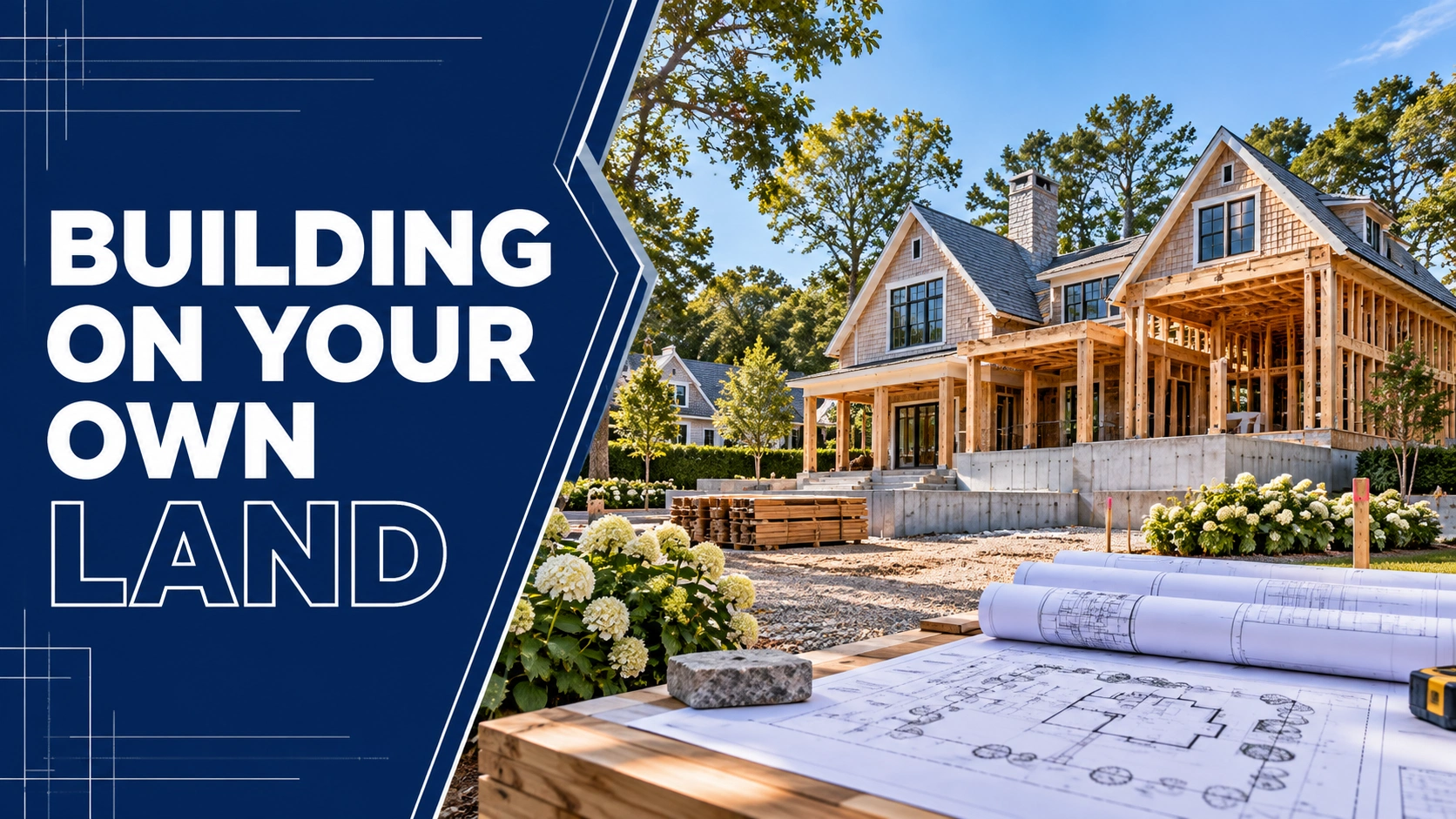
Choosing a semi-custom path doesn’t remove the site-specific work that comes with building on land you already own. A survey, septic or utility assessment, and a review of setbacks still need to happen before a semi-custom budget is reliable, since an existing plan was engineered for typical conditions, not necessarily the exact site in front of you.
Land you already own covers what a builder, engineer, and surveyor each need to confirm before committing to a specific plan on a property that’s already owned. A luxury home construction team experienced with Hamptons lots can usually tell early on whether a semi-custom plan will fit the site as-is or need modification.
When Semi-Custom Makes More Sense Than Fully Custom
Semi-custom construction tends to fit buyers who want meaningful input on finishes and some layout details without the full design timeline of a from-scratch build. It’s a reasonable middle path for a buyer who has a clear sense of the style and feel they want but doesn’t need a completely unique floor plan to get there.
A fully custom home makes more sense when the site itself demands a specific design, an unusual lot shape, a view that needs to be captured from a particular angle, or a program of rooms an existing plan simply doesn’t include. Custom construction versus buying covers a related trade-off, when building from scratch is worth it compared to buying an existing home instead.
A custom home builder familiar with both semi-custom and fully custom delivery can usually tell early in the conversation which path fits a specific site and wish list, rather than defaulting to whichever program is easiest to sell.
Things to Know
- A semi-custom builder’s base plan varies widely, so reviewing actual options matters more than the label itself.
- Site conditions can still require adjustments even on an established semi-custom plan.
- Change requests made after permitting typically cost more than the same request made during selections.
- Warranty terms on a semi-custom home typically mirror a fully custom build, separating workmanship from manufacturer coverage.
- Financing often uses a simpler draw schedule since fewer milestones require custom engineering sign-off.
- Asking to see a builder’s actual list of standard modifications avoids surprises once selections begin.
Frequently Asked Questions
What exactly is a semi-custom home?
A semi-custom home starts from a builder’s existing floor plan, with a buyer selecting finishes and sometimes minor layout changes rather than designing the home from scratch.
The structural shell, including the footprint and load-bearing walls, is typically already engineered, while cabinetry, countertops, flooring, fixtures, and paint are usually chosen from the builder’s curated options. How much flexibility exists beyond that varies significantly from one builder’s program to another.
Can you change the floor plan of a semi-custom home?
Only in a limited way, minor adjustments like expanding a closet or shifting a non-structural wall are sometimes possible, but the overall footprint and structural layout are usually fixed.
Requesting a change to load-bearing elements or the home’s overall square footage typically triggers a re-engineering process that erases much of semi-custom’s time and cost advantage over a fully custom build. Builders vary in how much layout flexibility they allow within their semi-custom program.
Is a semi-custom home cheaper than a fully custom home?
Usually, since the builder is working from an already-engineered plan rather than designing from zero, though the exact savings depend on how customized the semi-custom program actually is.
A semi-custom home’s price typically lands between a spec home and a fully custom build. The gap narrows if a builder’s semi-custom program allows extensive structural changes, since that starts to resemble custom design work regardless of what it’s called.
How long does a semi-custom home take to build?
A semi-custom home often finishes several months faster than a comparable fully custom build, since much of the design and engineering groundwork is already complete.
A fully custom home in the Hamptons can run 12 to 18 months or longer once design, engineering, and permitting are factored in, while a semi-custom project working from an existing plan typically moves through those early phases much faster, shortening the overall timeline.
Is a semi-custom home a good option if I already own land in the Hamptons?
Often yes, though the existing plan still needs to be checked against the specific site’s survey, setbacks, and utility conditions before it’s treated as a final layout.
A plan designed for typical conditions doesn’t automatically fit every lot, especially on Hamptons properties with septic, flood zone, or wetland considerations. Confirming site fit early avoids discovering a mismatch after a buyer has already committed to a specific semi-custom plan.
Finding the Right Level of Custom for Your Hamptons Home
Semi-custom, fully custom, and spec construction each solve for something different, and semi-custom exists specifically for buyers who want real input without a from-scratch design process. The right fit depends on how much the site, the wish list, and the timeline actually demand.
Hamptons Luxury Design + Construction builds custom and semi-custom homes across Southampton, East Hampton, Sag Harbor, Water Mill, and the surrounding villages, matched to each site’s specific conditions. A site evaluation is the most reliable way to see which level of customization fits a specific property.