Build a custom home when you want control over layout, systems, and siting and can wait through design, permitting, and construction; buy an existing home when you need to move
Custom home builders, design-build firms, and general contractors all build on land you already own, and in the Hamptons the right choice depends on how much design, site coordination, and
A semi-custom home starts from a builder’s existing floor plan with room to adjust finishes and some layout details, while a fully custom home is designed from scratch, and the
A custom home is designed from scratch around a buyer’s own specifications, while a spec home is designed and built by the builder in advance, and the right choice for
Allowances and contingency both set aside money in a construction budget, but for different reasons. An allowance covers a known item that hasn’t been fully selected yet, like light fixtures
Long-lead items are materials or products, custom windows and doors, cabinetry, specialty stone, certain HVAC equipment, that take long enough to manufacture and deliver that ordering them late can delay
A custom home construction contract should work as the project’s operating manual, defining scope of work, price structure, payment terms, allowances, and the change order process clearly enough that most
Buying land to build a custom home asks a different question than buying an existing home. It’s not about condition or fit; it’s about whether the property can actually support
There’s no single reliable number for what it costs to build a custom home in the Hamptons, because square footage alone doesn’t capture what actually drives the total. Site conditions,
Preconstruction is everything that happens between deciding to build a custom home and the day construction actually starts: confirming a property can support the intended home, establishing a realistic budget,
Construction project closeout is the final phase connecting punch list completion, final inspections, documentation handover, and final payment. It isn’t a single event but a sequence of steps, and three
A construction progress report is a periodic summary, typically weekly during active construction, that covers work completed, work planned next, schedule status, budget status, and any issues that need the
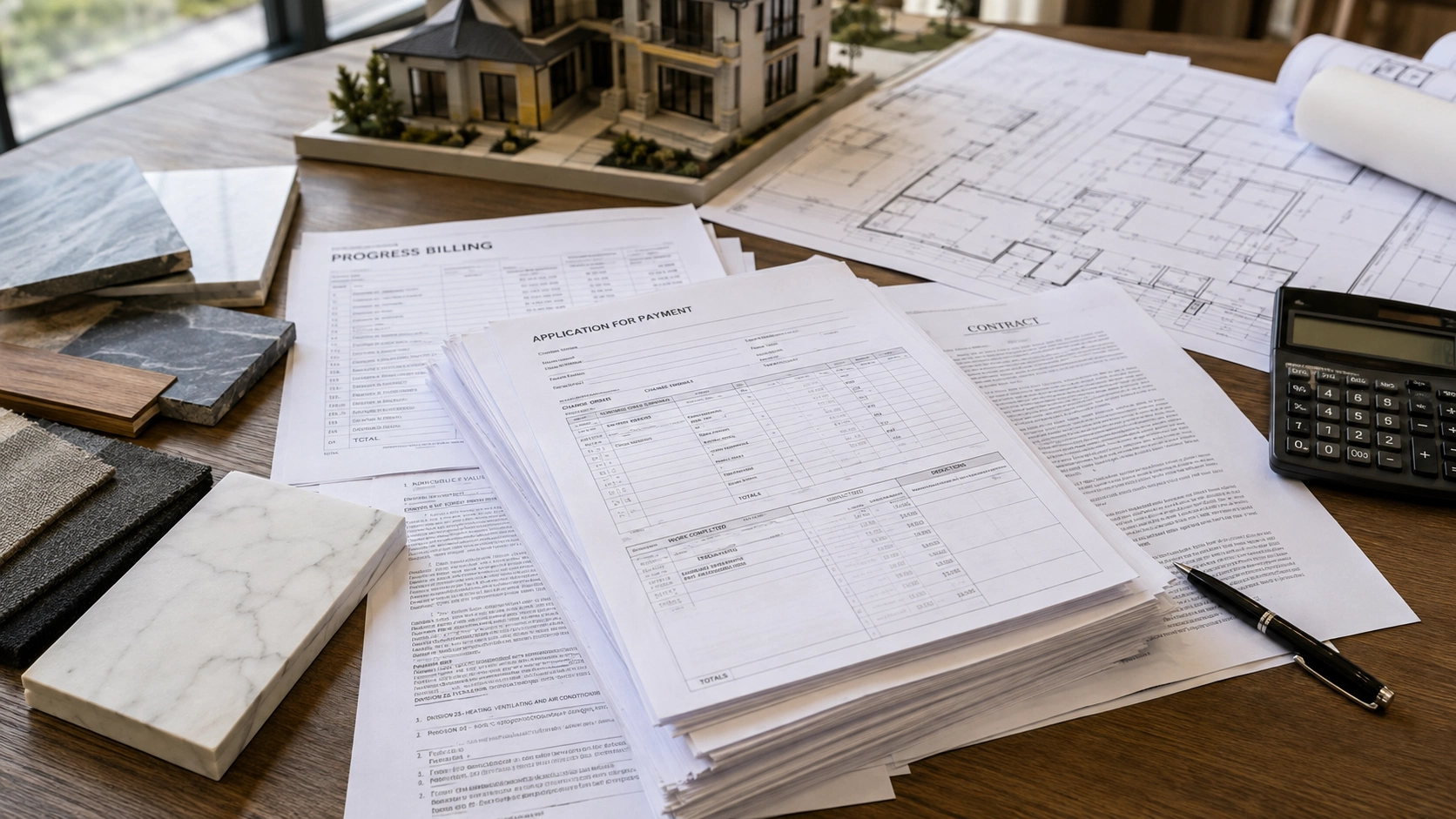
A construction payment application is a contractor’s formal request for payment for work completed during a billing period, most commonly submitted using the AIA G702 form backed by the G703
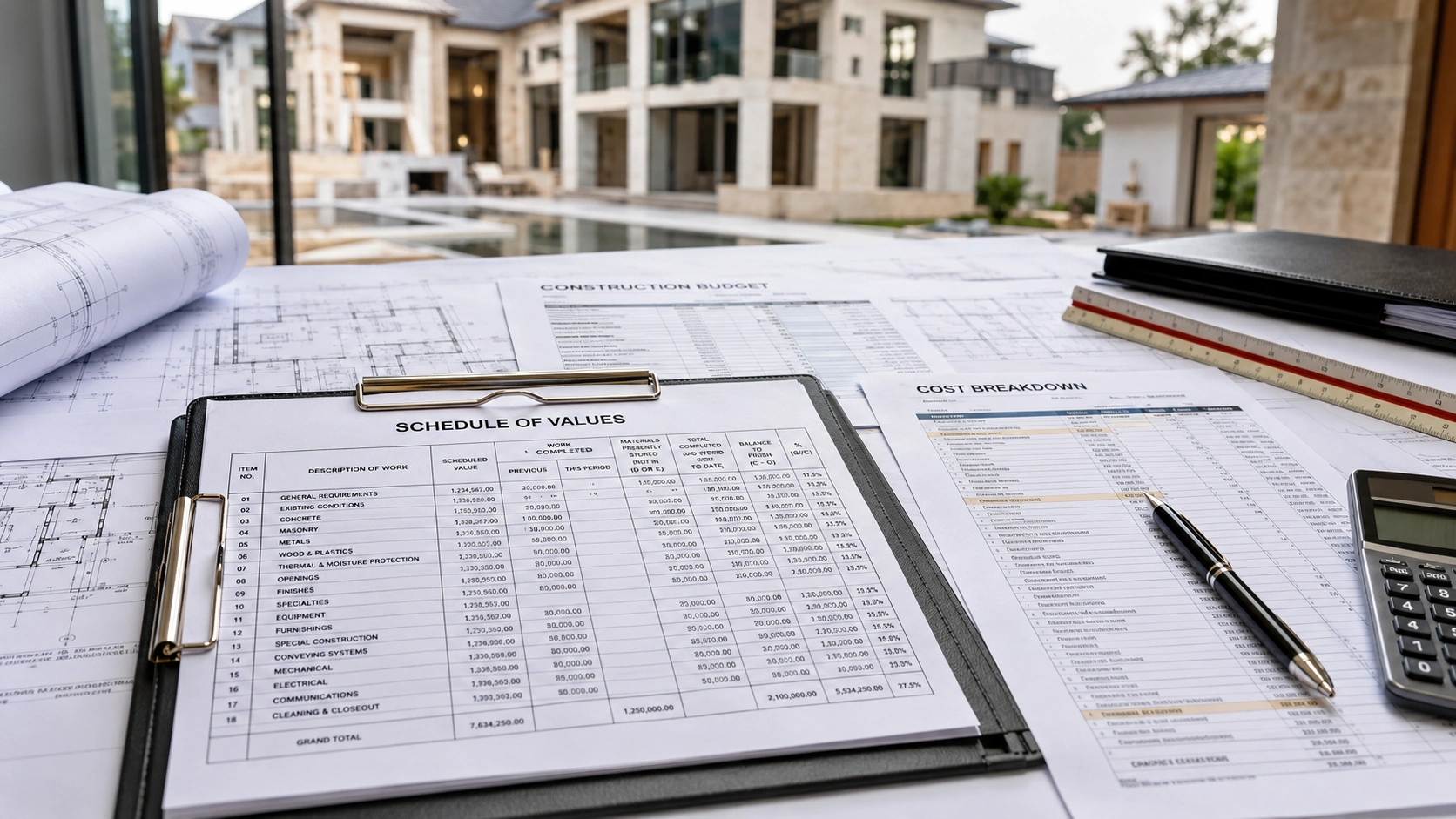
A schedule of values breaks a construction contract’s total price into individual line items, each with its own dollar value, so progress payments can be billed against the percentage of
A general contractor holds the trade contracts, bids or negotiates a price for the finished design, and bears the cost and schedule risk of delivering it. A construction manager, in