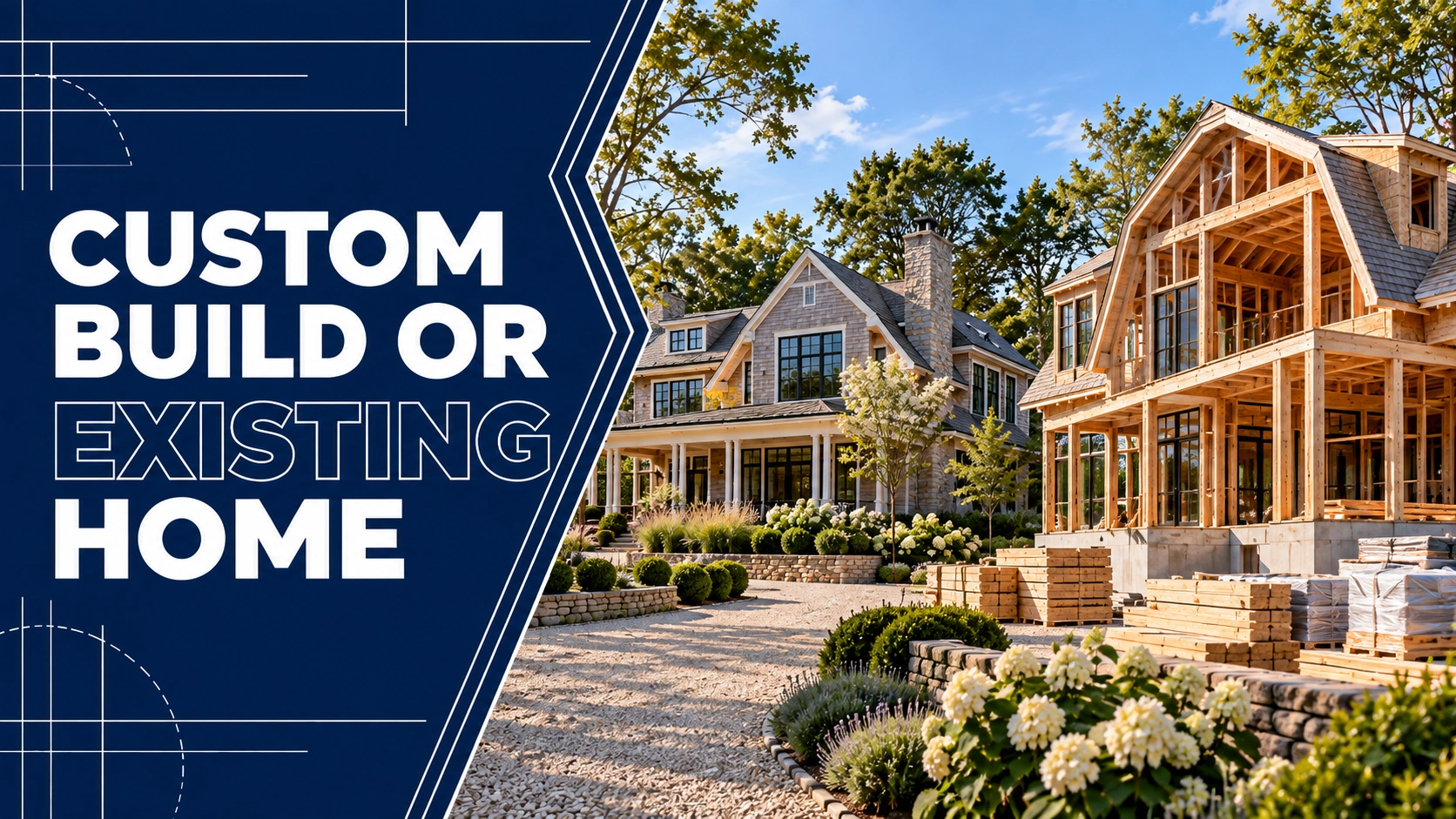
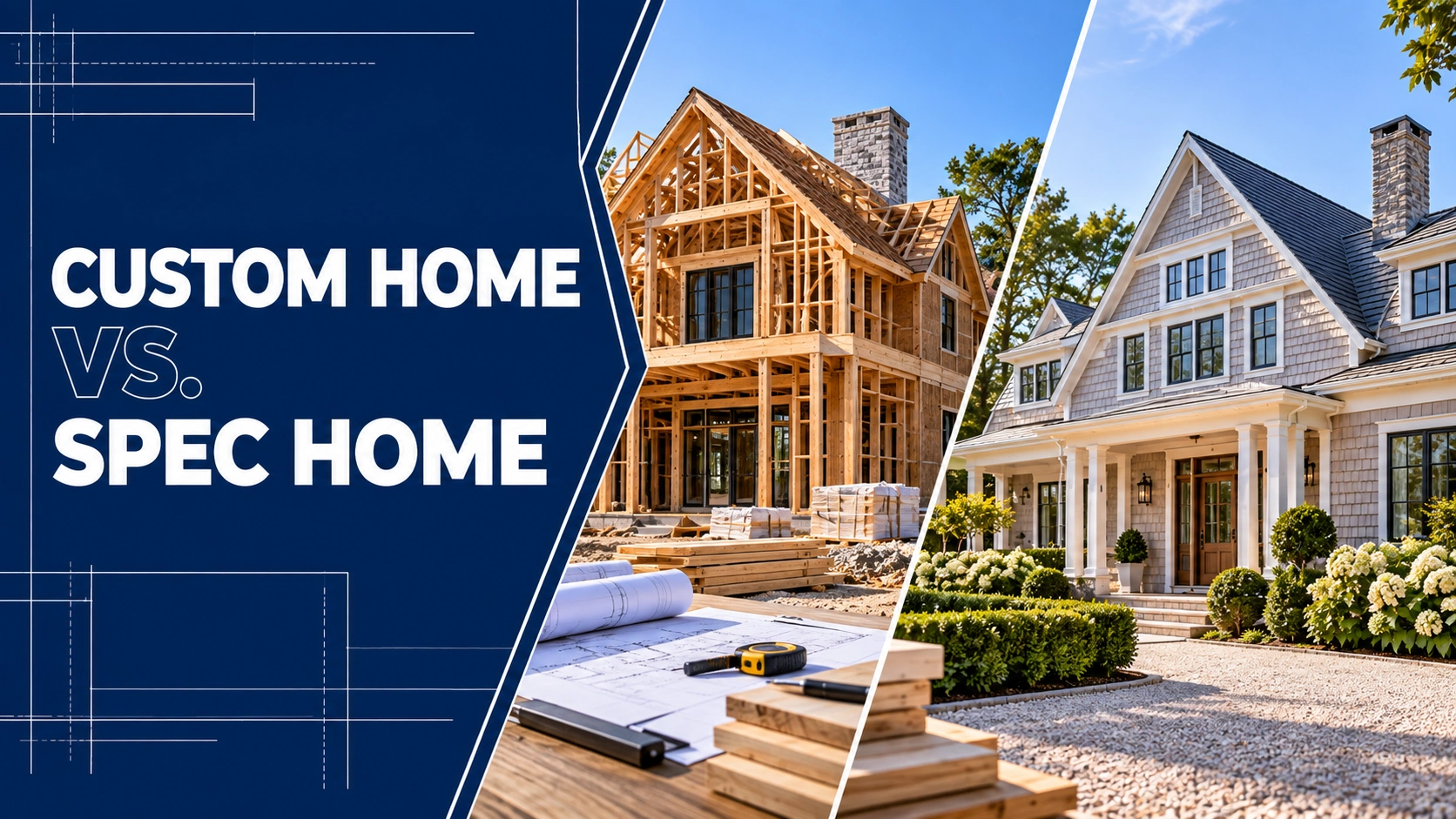
A custom home is designed from scratch around a buyer’s own specifications, while a spec home is designed and built by the builder in advance, and the right choice for a Hamptons project comes down to how much control over design, timeline, and budget actually matters.
Key Takeaways
- A custom home is designed to your own specifications; a spec home is already designed and often under construction before a buyer is involved.
- Spec homes typically close in 6 to 12 months, while a comparable custom build often runs 12 to 18 months or longer.
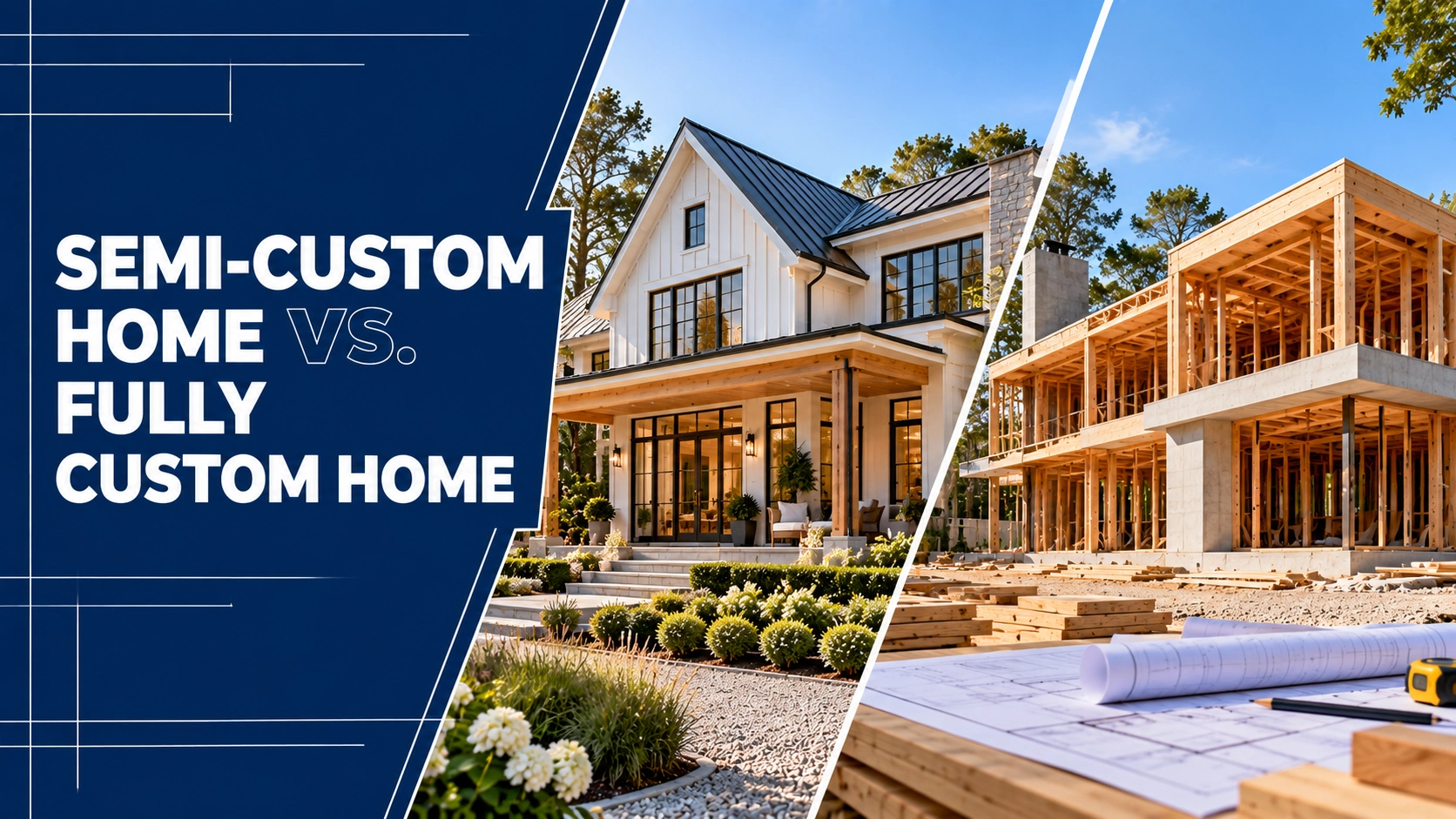
- Semi-custom construction sits between the two, using a builder’s existing plan with room to adjust finishes and some layout choices.
- Building on land you already own changes site work, utility planning, and budgeting in ways a spec purchase does not.
- Buying an existing home instead of building custom is sometimes the faster, lower-risk choice, depending on the market.
- Construction draws are released against inspected milestones, not a flat monthly bill, which shapes how a custom build is financed.
What Makes a Home “Custom” Versus “Spec”
A custom home starts with a blank site and a buyer’s own vision. Before construction begins, an owner works through floor plan, room sizes, finishes, and mechanical systems with a design-build team, and those decisions shape everything that follows, from the foundation footprint to the trim details in the primary suite. Nothing about a custom home exists until the owner and builder define it together.
A spec home works in the opposite direction. A builder selects the lot, designs the home, and often begins construction based on what they expect will appeal to buyers in that market, sometimes without a specific buyer in mind at all. By the time a buyer sees the home, the floor plan, structural systems, and most finishes are already set, and the buyer’s role is closer to choosing among what’s already built or nearly finished.
The line between the two isn’t always sharp, and a custom home builder in the Hamptons familiar with both paths can help figure out which one actually fits the site, budget, and timeline in front of you. Neither path is inherently better. A buyer who wants a specific floor plan, a particular orientation toward a view or the water, or finishes that aren’t available off the shelf usually needs a custom build to get there. A buyer who wants to move on a predictable date, at a known price, with less day-to-day decision-making often does better with a spec home, even if it means compromising on a few details along the way.
Comparing Cost, Timeline, and Design Control
Cost and timeline follow directly from how much of the home is custom. A spec home’s price reflects a builder’s ability to buy materials and labor at scale across several homes at once, which usually keeps the upfront cost lower than an equivalent custom build. A custom home’s cost reflects one-off design work, individually sourced materials, and a schedule built around a single project, which raises the price but hands the owner control over where that money goes.
Timeline follows the same logic. A spec home already underway can often close in 6 to 12 months, while a custom home in the Hamptons, with design, engineering, and permitting ahead of construction, more typically runs 12 to 18 months or longer depending on complexity and site conditions.
| Delivery Path | Design Control | Typical Timeline | Best For |
| Custom Home | Full control over layout, finishes, and systems | 12 to 18+ months | Buyers with a specific vision and site |
| Semi-Custom Home | Builder’s base plan with finish and some layout flexibility | 9 to 14 months | Buyers who want input without a full custom timeline |
| Spec Home | Design, finishes, and layout already set | 6 to 12 months | Buyers who prioritize speed and a fixed price |
For buyers who want some of the flexibility of a custom build without its full timeline, semi-custom homes are worth a look, typically starting from a builder’s existing plan with room to adjust finishes and some layout choices.
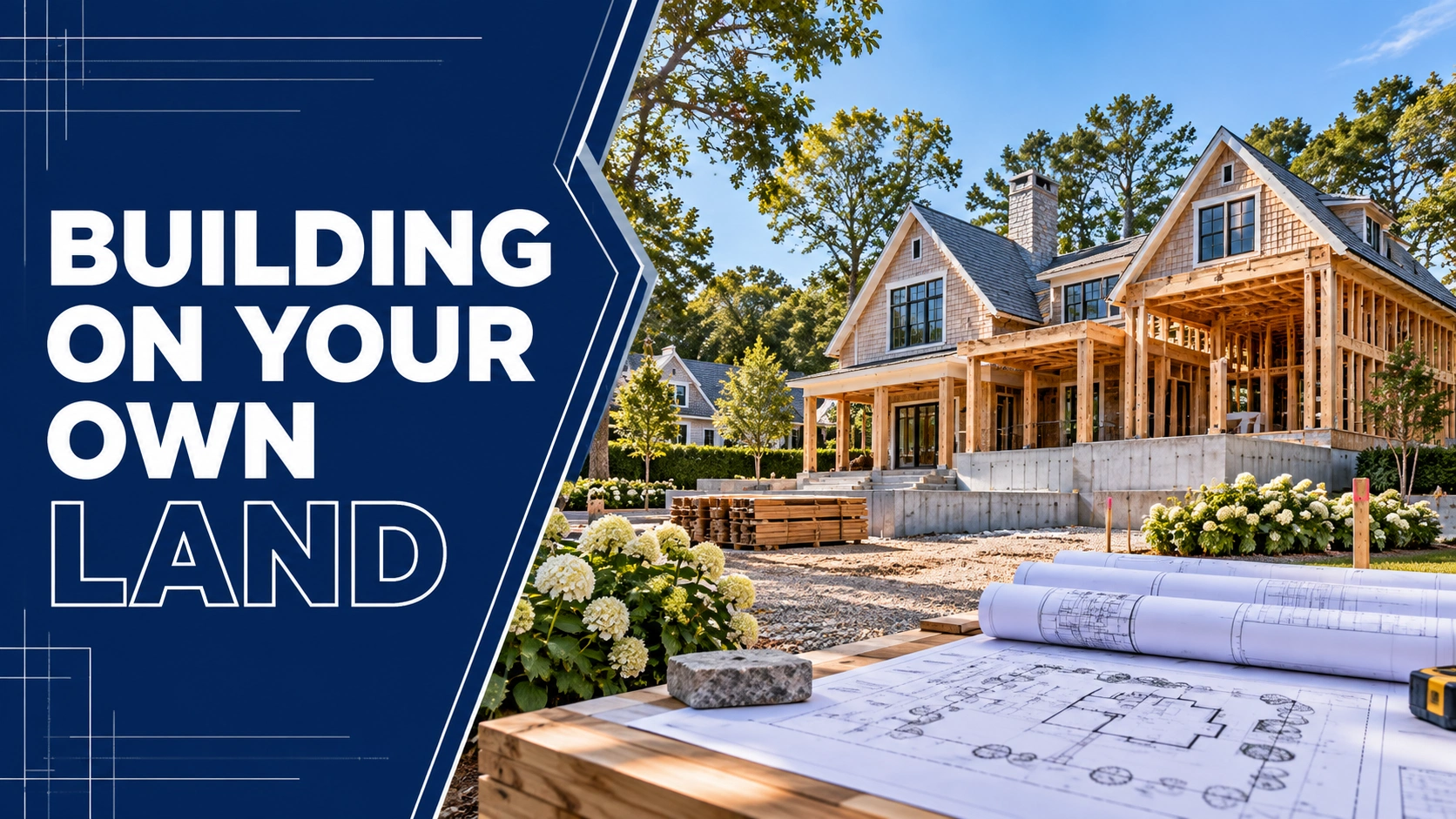
Building on Land You Already Own
Owning the land before construction starts changes the planning sequence. A current survey, a septic or utility assessment, and a review of setbacks and lot coverage all need to happen before a custom budget is reliable, since site conditions that aren’t visible from the road can add cost once excavation begins.
Who builds homes on land you already own covers this in more depth, including what a builder, engineer, and surveyor each need to confirm before a design moves forward on a property that’s already owned rather than purchased as part of the build. A luxury home construction team familiar with Hamptons site conditions, from septic requirements to flood zones, can flag issues before they affect budget or schedule.
Hamptons lots come with their own site variables that a national cost guide won’t cover: proximity to wetlands, FEMA flood zone designation, well and septic capacity for the planned bedroom count, and coastal setback requirements that can shift a buildable envelope more than a buyer expects. A property that looks straightforward on paper can still need a variance or a septic upgrade before a custom design is finalized, which is why a site evaluation typically comes before, not after, a firm budget is set.
Custom Construction Versus Buying an Existing Home
Building custom isn’t always the right call. Sometimes buying an existing home is faster and less expensive, depending on what’s available. An existing home skips the design and permitting phase entirely, and a buyer can often move in within weeks of closing rather than waiting over a year for construction to finish.
The trade-off is control. An existing home’s layout, systems, and finishes are already set, and getting exactly what a custom build offers, whether that’s a specific floor plan, orientation on the lot, or updated mechanical systems, usually means a renovation project after closing rather than a move-in-ready result. weighing custom construction against buying walks through how to compare the two directly, including what a renovation budget typically adds back on top of a purchase price.
The math doesn’t always favor buying, either. An older Hamptons home that looks like a bargain can need a new septic system, updated electrical service, or structural work that only shows up once walls are opened, and those costs stack on top of the purchase price rather than replacing it. A buyer comparing the two paths should price both options against the same finished result, not just the sticker price of what’s already built.
Financing and Support Once You Choose Custom
Once a custom build is underway, financing works differently than a mortgage on an existing home. Funds are released in stages tied to completed and inspected work, called draws, rather than disbursed as a lump sum at closing. The construction draw schedule breaks down into milestones a lender or builder needs to see completed and inspected before releasing each one.
Coverage doesn’t end at the final walkthrough either. custom home warranty terms explain how workmanship and manufacturer-covered items are usually separated, and what to expect in the first year after move-in.
Draw timing also affects cash flow planning well before the first invoice arrives. A lender typically wants the draw schedule reviewed against the construction contract at closing, not after a request comes in, since a mismatch between when money is released and when a subcontractor expects payment can stall a project even when the budget itself is sound.
Things to Know
- A spec home’s finishes, layout, and lot are typically locked in before a buyer signs.
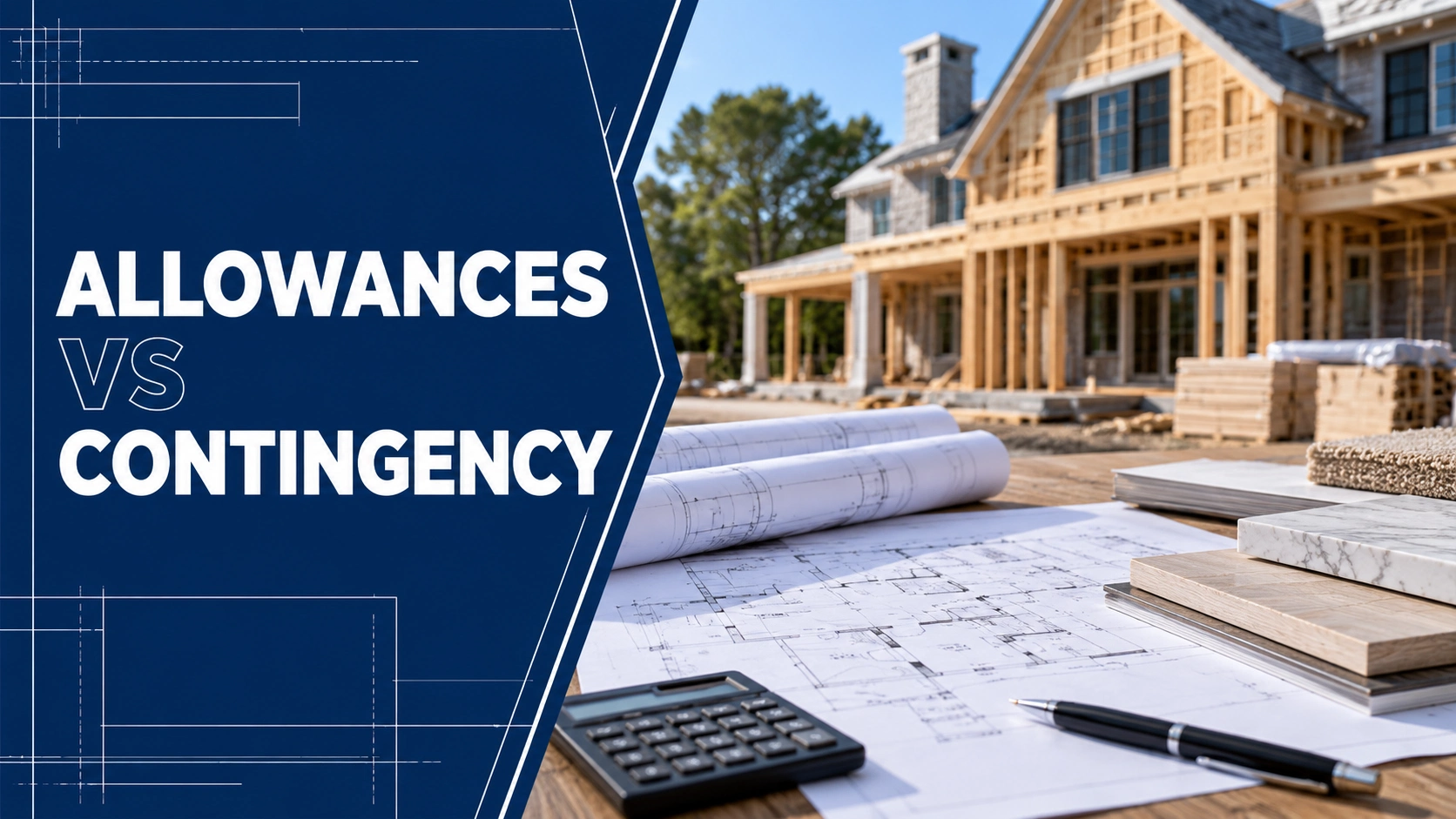
- Custom home budgets should include contingency for site conditions that aren’t visible until excavation begins.
- A semi-custom builder’s base plan can usually absorb structural changes early, but costs more to change once permitted.
- Land you already own still needs a current survey and a septic or utility assessment before a custom budget is reliable.
- Warranty coverage on a new custom home typically separates workmanship items from manufacturer-covered systems.
- A construction draw schedule should be reviewed against the contract before signing, not after the first draw request arrives.
Frequently Asked Questions
What is the main difference between a custom home and a spec home?
A custom home is designed around the buyer’s own specifications before construction starts, while a spec home is designed and built by the builder first, often without a buyer identified yet.
With a custom build, an owner works with a design-build team to shape the floor plan, finishes, and systems before a single wall goes up. A spec home skips that step, the builder makes those decisions in advance based on what they expect will sell in that market, and a buyer chooses among the options already built or in progress.
Is a spec home cheaper than a custom home?
Spec homes are often less expensive upfront because the builder buys materials and labor at scale across multiple homes rather than one at a time.
A custom home’s cost reflects one-off design work, individually sourced materials, and a schedule built around a single project rather than several at once. A custom build does give more control over where money goes, which can prevent costly changes later that a spec home’s fixed finishes don’t allow for.
Can a spec home be customized after it’s purchased?
Only in a limited way, since most structural and layout decisions are already finalized once a spec home reaches the market.
A buyer can usually still choose paint colors, some fixtures, or landscaping if they get involved early enough in the build. Larger changes like moving walls, reconfiguring a kitchen, or adding square footage typically aren’t possible without a separate renovation project after closing.
How much longer does a custom home take to build compared to a spec home?
A custom home in the Hamptons often takes 12 to 18 months or more from design through move-in, compared to roughly 6 to 12 months for a spec home already underway.
The gap comes from the design phase itself, since a custom home needs architectural drawings, engineering, and permitting before construction can start, while a spec home is often already permitted and mid-construction by the time a buyer enters the picture. Site conditions, material lead times, and design complexity can extend either timeline further.
Is a semi-custom home a good middle ground between custom and spec?
Yes, for buyers who want some design input without the full timeline and cost of a fully custom build, a semi-custom home is often the practical middle path.
A semi-custom project usually starts from a builder’s existing floor plan, with room to adjust finishes and sometimes minor layout details, which shortens the design phase considerably. It’s worth confirming exactly what can and can’t be changed before committing, since that flexibility varies widely between builders.
Choosing the Right Path for Your Hamptons Build
Custom, semi-custom, and spec construction each solve a different problem, and the right one depends on how much control over design, timeline, and budget matters for a specific project. None of the three is a mistake on its own, the mismatch happens when the path doesn’t fit what the owner actually wants from the process.
Hamptons Luxury Design + Construction builds custom and semi-custom homes across Southampton, East Hampton, Sag Harbor, Water Mill, and the surrounding villages, shaped to each site’s specific conditions. A site evaluation and initial conversation is the most reliable way to see which path fits a specific property and goals.