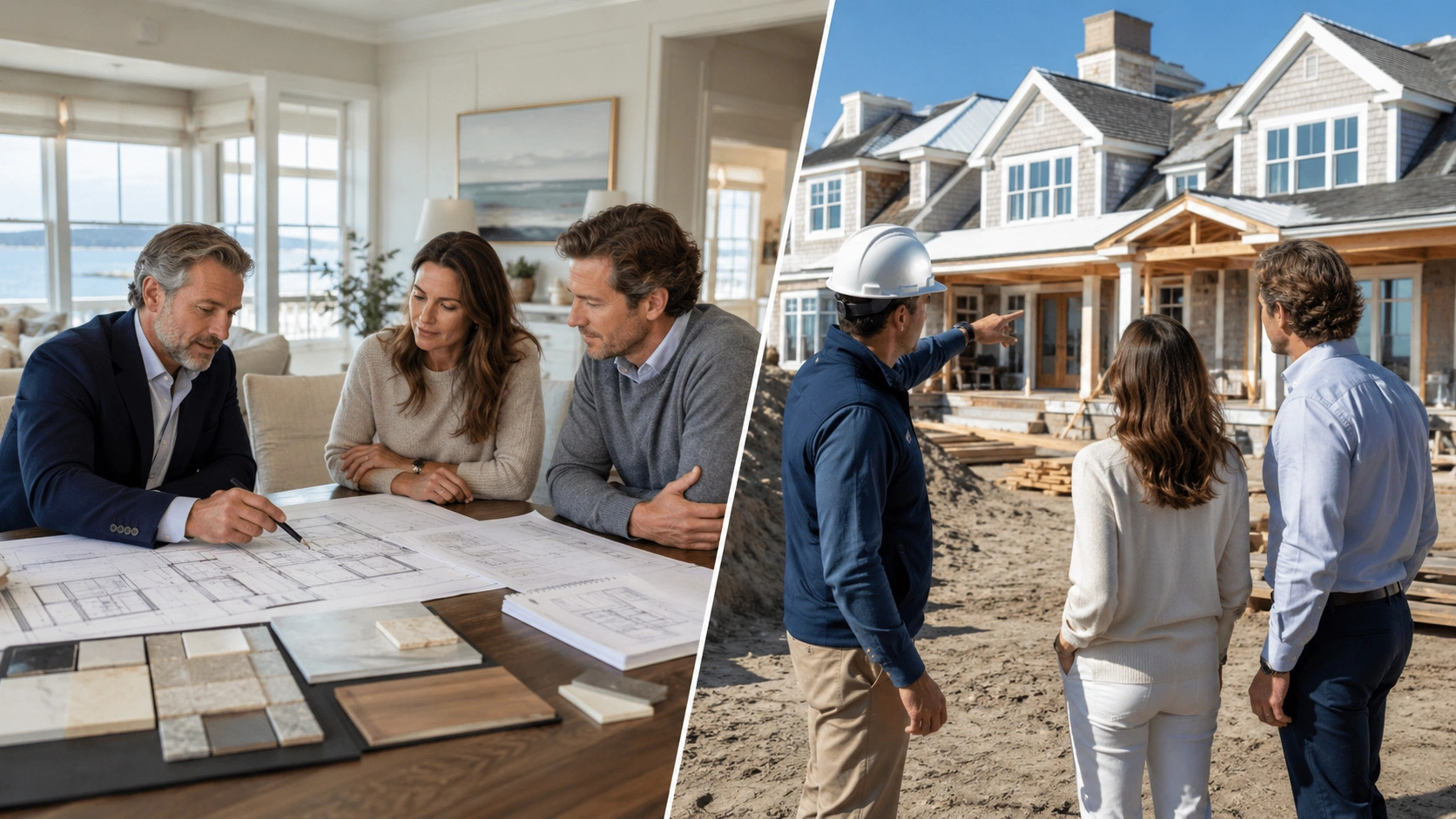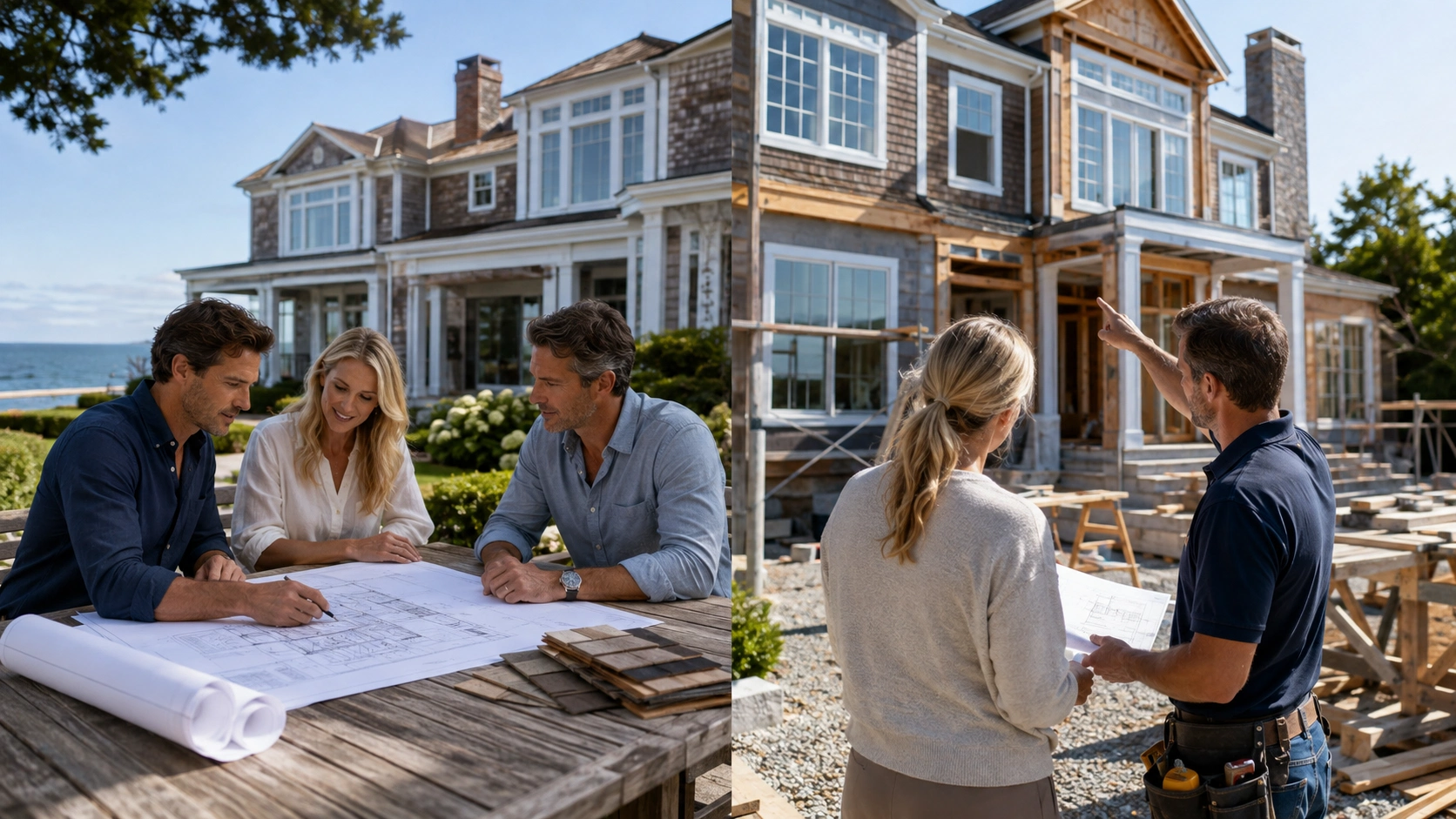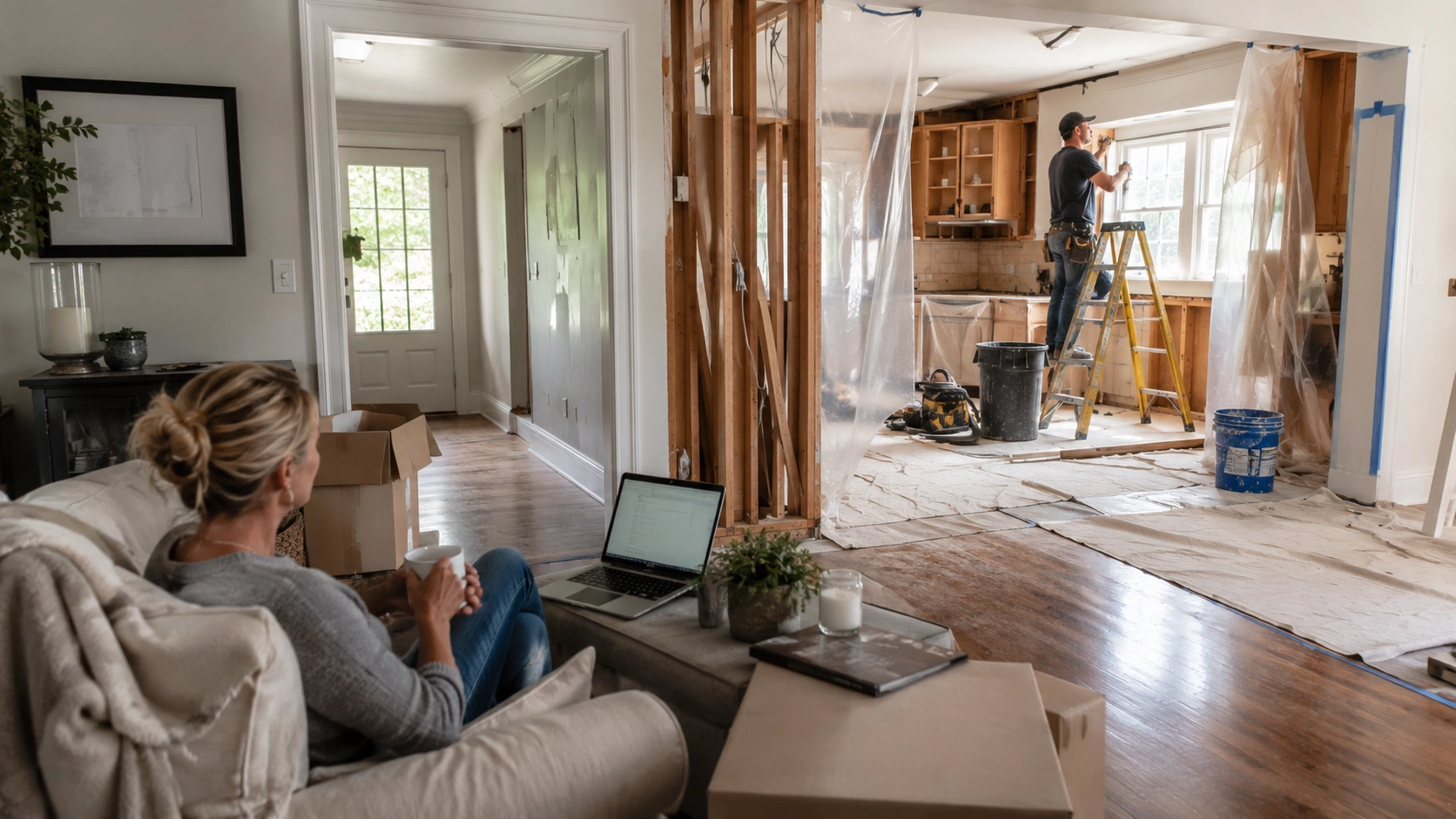
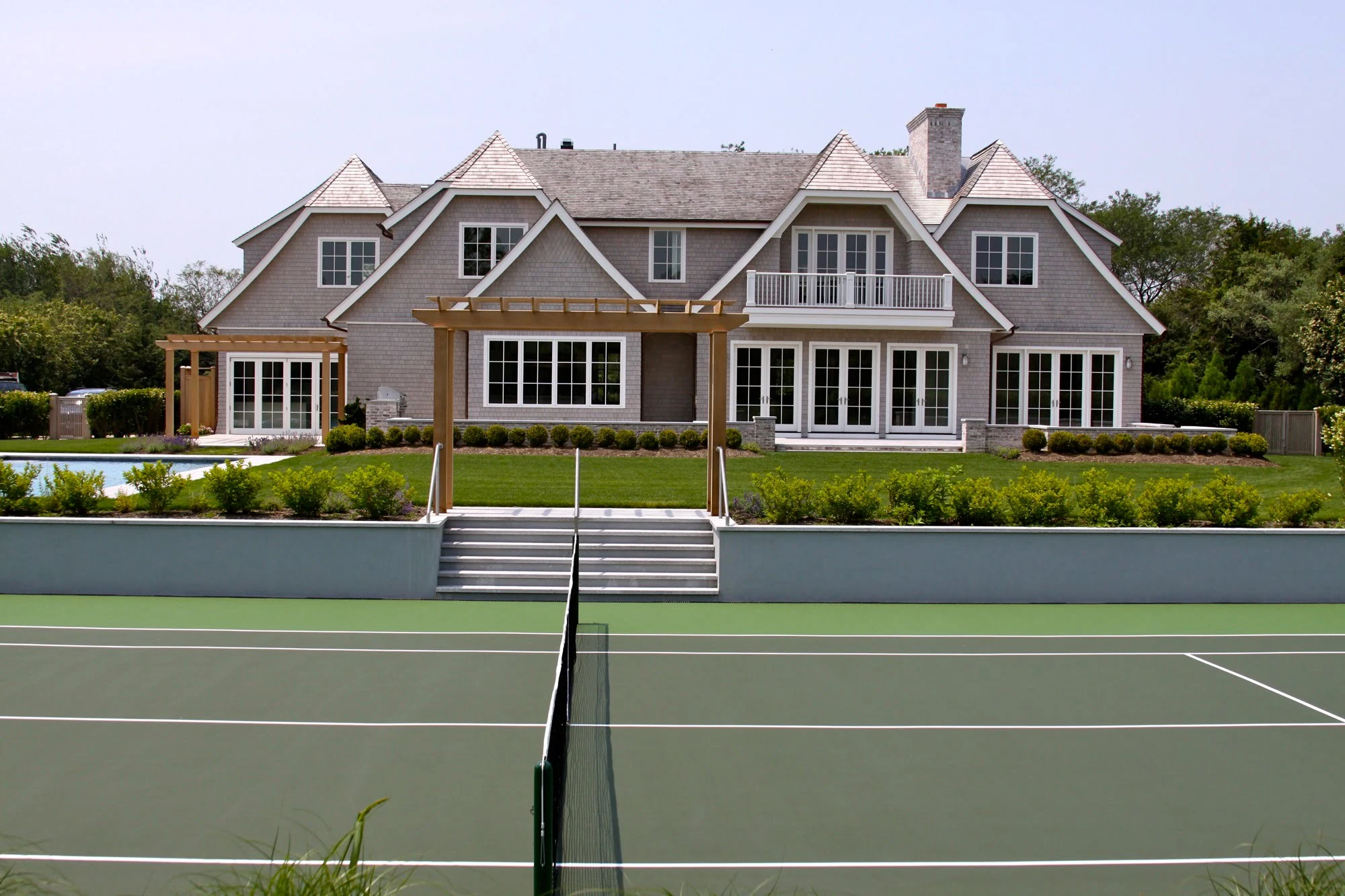
For the high-net-worth individual, a Southampton estate is often one of several significant assets within a global portfolio. The logistical challenge of overseeing a ground-up build or a complex renovation while residing in Manhattan, London, or Hong Kong is substantial. Historically, distance created a “black box” in the construction process, where owners were forced to rely on sporadic phone calls and static monthly invoices. In 2026, remote project management has evolved into a sophisticated infrastructure of transparency, allowing for real-time oversight and executive-level decision-making from any geographic location.
The Shift from Observation to Real-Time Interaction
Remote management is no longer defined by the occasional site photo sent via email. For a Southampton project, it involves a centralized digital ecosystem where every architectural drawing, permit application, and change order is hosted in a secure, cloud-based environment. This “single source of truth” ensures that the owner, the architect, and the project lead are all viewing the same data simultaneously.
Through the use of high-resolution 360-degree site cameras and scheduled drone surveys, the physical progress of the estate is documented with forensic detail. These tools allow an owner to virtually “walk” the site at any time, inspecting everything from the structural steel framing to the precision of the masonry joints. This level of visual data removes the ambiguity often associated with verbal progress reports and ensures that the physical build aligns strictly with the approved design intent.
Strategic Single-Point Accountability
One of the primary friction points for global clients is “communication sprawl”—the barrage of disjointed updates from subcontractors, interior designers, and landscape architects. Remote management through an owner’s representative streamlines this noise into a dedicated reporting structure.
We act as the single point of accountability on the ground in Southampton. Instead of the owner managing multiple streams of information, they receive a curated weekly executive brief. This report synthesizes the week’s progress, identifies any upcoming “critical path” decisions, and provides a clear financial snapshot. By consolidating the communication, we protect the owner’s time while ensuring they remain the final arbiter on all significant project milestones.
Financial Transparency and Digital Auditing
Managing a multi-million-dollar budget from afar requires a heightened level of financial reporting. Remote management platforms integrated into our workflow provide an “open-book” accounting system. Every invoice is uploaded with its corresponding supporting documentation, such as delivery receipts or subcontractor lien waivers, before it is presented for approval.
This digital audit trail allows for real-time tracking of the project’s “burn rate.” Owners can see exactly how much of the contingency fund has been utilized and project future cash flow requirements with accuracy. In the Southampton market, where labor and material costs can fluctuate, this financial transparency prevents the year-end “budget shock” that often plagues less-structured builds. It turns the construction budget into a predictable, manageable financial instrument.
Managing the Southampton Regulatory Timeline Remotely
A significant portion of project management in Southampton involves the “invisible work” of municipal compliance. This includes navigating the Board of Architectural Review, securing Department of Environmental Conservation (DEC) permits, and managing FEMA flood zone certifications.
For the remote owner, these local bureaucratic hurdles are often the most opaque part of the process. Our remote management strategy includes a live “Regulatory Tracker.” This digital dashboard shows the real-time status of every pending permit and inspection. By providing a clear view of the municipal timeline, we eliminate the uncertainty of the “waiting period” and allow the owner to plan their move-in or seasonal transition with confidence.
Quality Control and Engineering Verification
Distance should never result in a compromise of build quality. To ensure the “invisible engineering” of a Southampton home—such as geothermal loops, smart-home bus wiring, and sub-grade waterproofing—is executed correctly, we utilize digital verification protocols.
At critical stages of the build, we document “closed-wall” inspections. Before the drywall or masonry is applied, high-resolution imagery and video are taken of the internal systems. This creates a permanent digital record of the home’s infrastructure. For a remote client, this provides verified proof that the high-performance specifications they paid for are actually installed. Long-term, this digital archive serves as a “homeowner’s manual” that adds significant value during a future property transfer.
The Executive Summary: Decision-Ready Data
The ultimate goal of remote management for a Southampton estate is to provide the owner with “decision-ready” data. Whether it is a choice between two different limestone finishes or a strategic decision to accelerate the timeline through increased labor, the owner needs clear options and an analysis of the impact of each.
We utilize collaborative tools to present these choices. Through virtual meetings and digital “look-books,” the owner can review physical samples that have been pre-vetted by our team on the ground. This ensures that when the owner does arrive in Southampton for a site visit, the time is spent on high-level strategy and aesthetic refinement rather than troubleshooting basic logistical errors.
Protecting the Asset from a Distance
The transition from a conceptual design to a finished Southampton estate is a process defined by thousands of individual data points and technical decisions. When an owner is managing this process from a different time zone or continent, the quality of the project is entirely dependent on the quality of the information they receive.
Effective remote management does not attempt to replace the owner’s vision, but rather to provide the clarity and transparency required to protect it. By utilizing a framework of digital oversight, forensic financial reporting, and local advocacy, the complexities of a long-distance build are mitigated. Ultimately, the goal is to ensure that the physical execution of the property is as precise and disciplined as the strategic planning that preceded it.