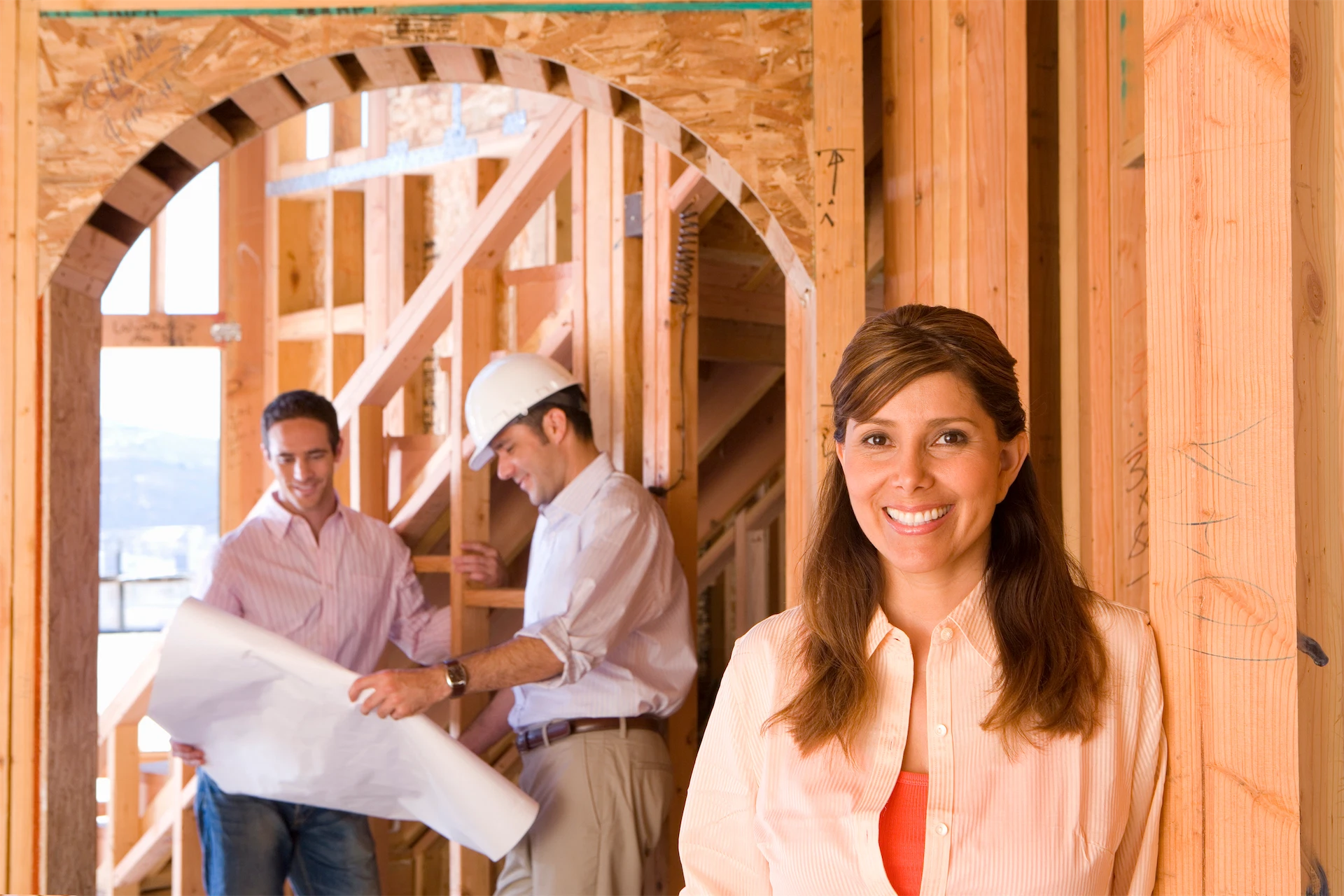
In the competitive real estate landscape of Water Mill, where architectural ambition meets the practical complexities of Hamptons construction, the triad of owner, architect, and builder must function with absolute precision. A common friction point in luxury builds is the divergence between design intent and structural reality. While an architect focuses on the aesthetic and spatial experience, a builder is concerned with the mechanics of the assembly and the supply chain. An owner’s representative serves as the strategic bridge in this process, ensuring that the visionary designs common in Water Mill estates are executable, on budget, and true to the original concept.
The Architect-Builder Gap in Water Mill
Water Mill is home to some of the most innovative residential architecture in the country, often featuring complex geometries and advanced material palettes. Architects in this region push boundaries with invisible structures and seamless indoor-outdoor transitions. Without early intervention, these high-concept designs can lead to constructability issues during the build phase. An owner’s representative initiates a process of early-stage collaboration by vetting the architectural vision through a builder’s lens during the pre-construction phase. This identifies potential structural or budgetary conflicts before they reach the job site. This proactive alignment prevents the redesign-on-the-fly scenarios that often plague unmanaged projects and lead to significant delays.
Value Engineering Without Compromising Aesthetics
A frequent source of tension between architects and builders is the cost of specialized materials and methods. In the context of a Water Mill build, value engineering is often misinterpreted as cutting costs by reducing quality. For an owner’s representative, however, it means identifying smarter ways to achieve the same architectural effect. We conduct meticulous plan reviews to suggest alternative building systems or material sourcing that maintains the design’s integrity while optimizing the budget. For example, if a design calls for a specific rare timber for a ceiling installation, an owner’s representative might find a technically equivalent alternative that offers better lead times or easier maintenance in the coastal salt air. This ensures the architect’s vision remains intact while the builder’s schedule remains realistic.
Managing the Technical Hand-off
The transition from a set of blueprints to a physical structure is the most vulnerable stage of any project. In Water Mill, where many homes feature complex smart-home integration and wellness-focused infrastructure like infrared saunas and cryotherapy chambers, the technical hand-off must be flawless. The owner’s representative manages the documentation flow between the design team and the construction team. We ensure that the builder has the specific shop drawings required for high-precision installs, such as motorized sliding glass systems or hidden climate control vents. By acting as the central hub for this technical data, we eliminate the back-and-forth communication that often results in miscommunication and costly rework.
Mediating Conflicts with Data
In the high-pressure environment of a luxury estate build, professional opinions between architects and builders can occasionally clash. These disagreements often center on whether a specific design detail is buildable or if a contractor’s proposed method is aesthetically acceptable. As an owner’s representative, we provide an objective, data-driven perspective to resolve these disputes. We utilize independent third-party experts when necessary to verify structural feasibility or acoustic performance. By removing the emotional or ego-driven elements of these professional disagreements, we keep the team focused on the owner’s ultimate goal. This mediation ensures that professional respect is maintained across all trades, which is vital for a project that may take eighteen to twenty-four months to complete.
Continuous Quality Audits of Design Intent
Even the most talented builders can occasionally miss the nuance of a specific architectural detail. Throughout the construction phase in Water Mill, we perform regular design-intent audits. This involves walking the site with the approved plans to verify that the physical execution, such as the alignment of a reveal or the texture of a plaster finish, matches what was promised in the renderings. This layer of oversight ensures that the architect’s work is honored during every phase of the build. If a discrepancy is found, it is addressed in the moment rather than discovered during a final walkthrough when the cost of repair would be exponentially higher.
A Unified Project Culture
The most successful estates in Water Mill are products of leadership rather than just individual talent. An owner’s representative fosters a culture of transparency and mutual accountability between the design and construction teams. When the architect and the builder feel supported and clearly directed, the quality of their work rises. By aligning these two critical partners, the management process ensures that the owner’s investment is protected and that the final residence is a perfect realization of the original vision. This collaborative environment turns a potentially adversarial process into a disciplined, high-performance execution of luxury architecture.
Conclusion
Vetting a complex architectural vision requires a balance between creative respect and technical pragmatism. In a market as demanding as Water Mill, the alignment of the architect and the builder is the most critical factor in determining the success of a ground-up construction project. By establishing clear lines of communication and resolving technical conflicts early, the owner’s representative ensures that the final structure reflects the original design without compromise.
Ultimately, the goal of this alignment is to provide the owner with a seamless experience that prioritizes both aesthetic excellence and structural integrity. A unified project team, guided by independent oversight, is able to navigate the challenges of modern estate building with greater efficiency. This disciplined approach ensures that the project moves from a conceptual drawing to a completed residence with the precision that a high-value investment in Water Mill requires.