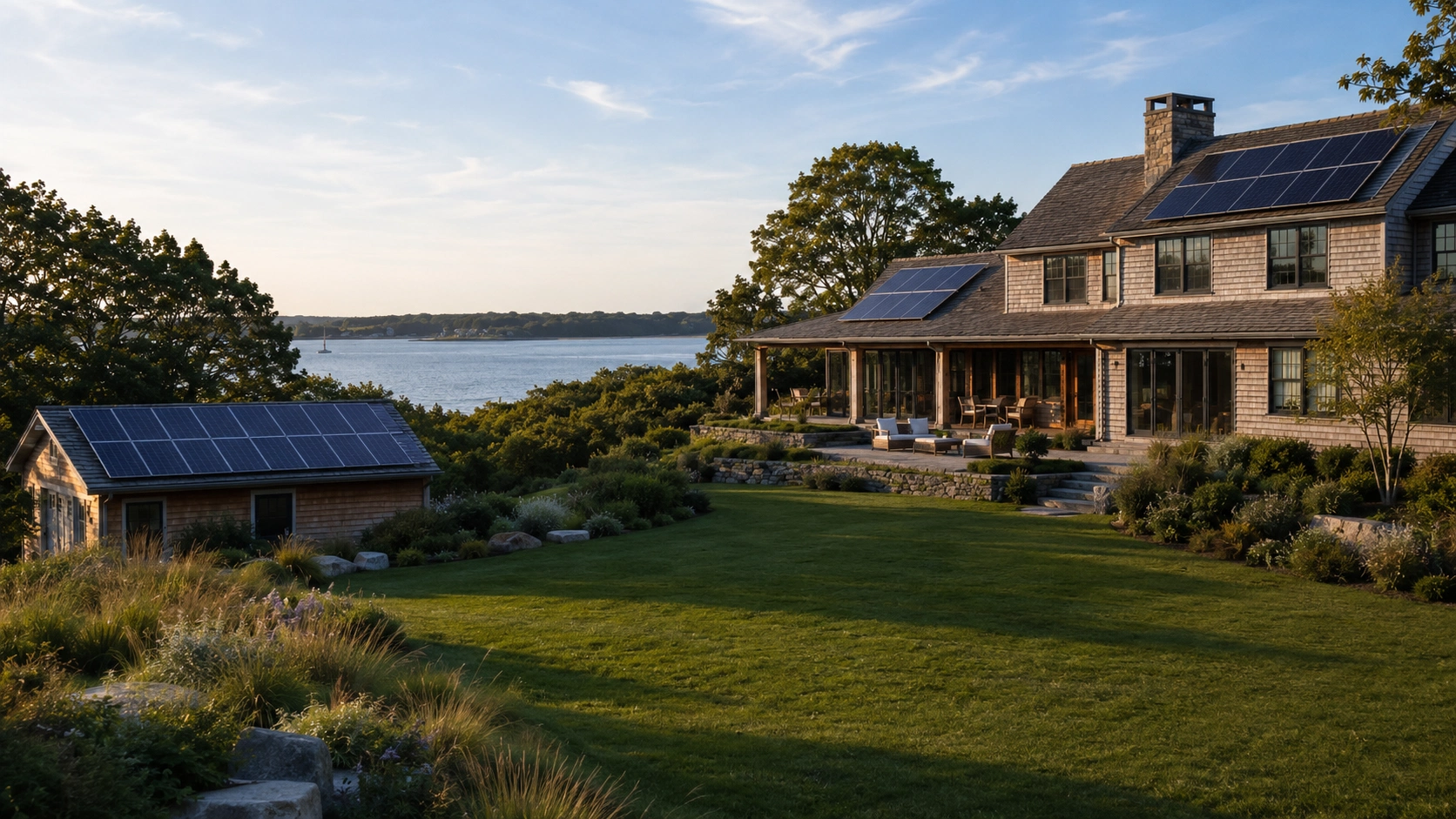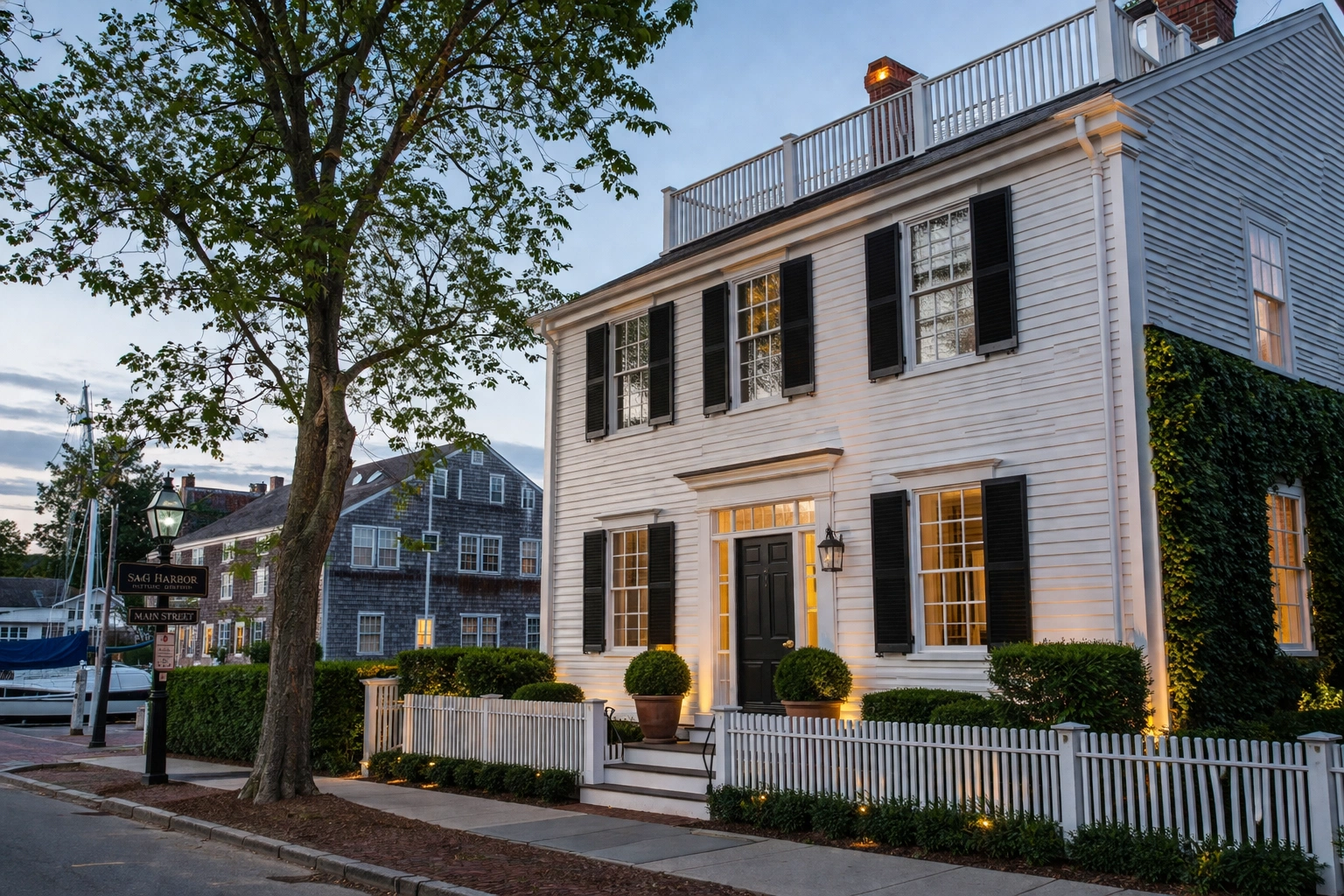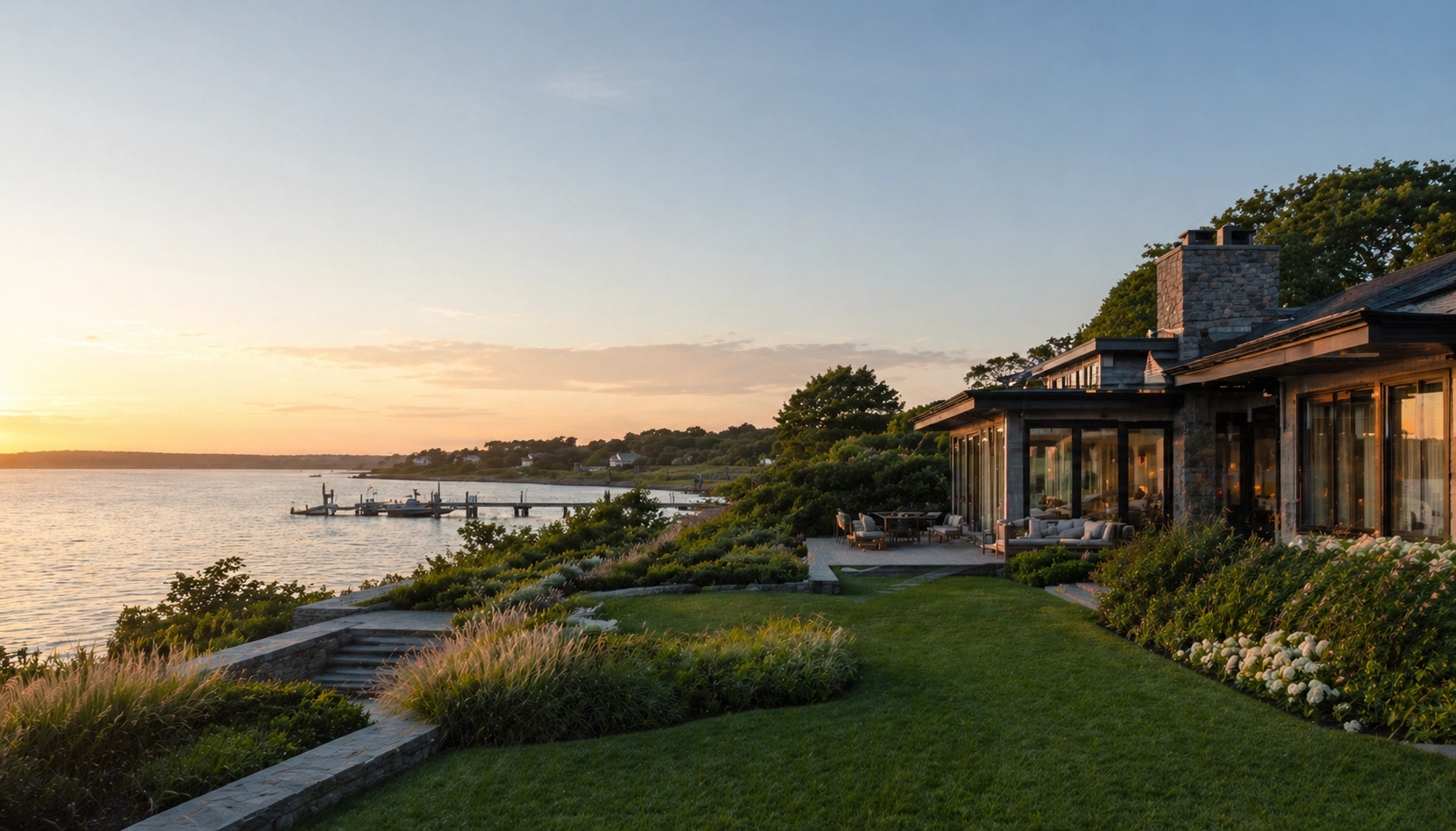
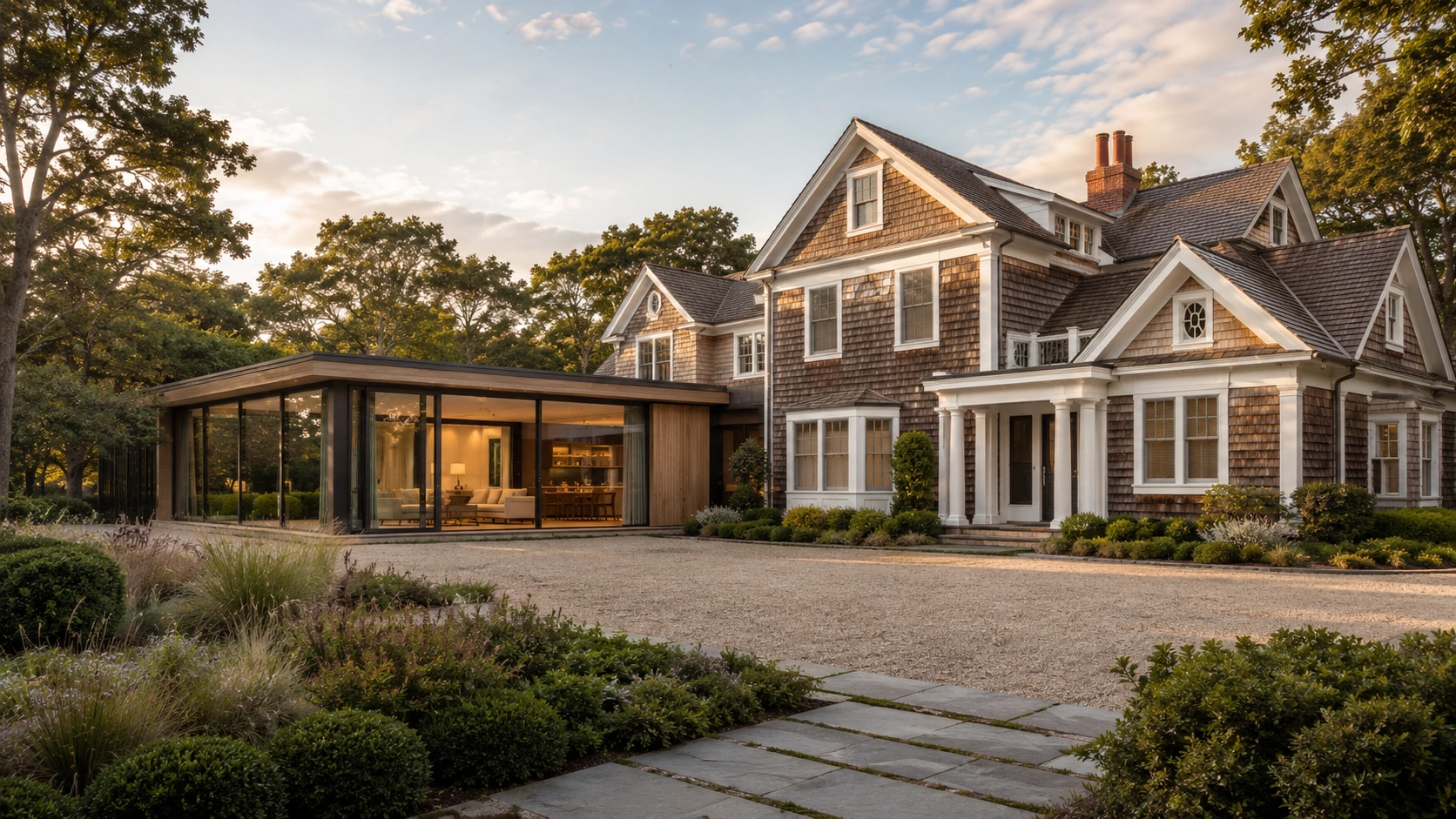
Wainscott is recognized for its sprawling agricultural vistas and a strict adherence to the traditional shingle-style aesthetic that defines the Hamptons. When the need for additional square footage arises, the challenge lies in expanding these iconic structures without disrupting their balanced proportions or historical character. A successful estate extension requires a sophisticated architectural dialogue between the original gabled volumes and modern, high-performance additions. By focusing on material continuity and structural precision, a new wing can enhance the utility of the property while appearing as a natural evolution of the site.
Architectural Scaling and Massing
The primary risk in any large-scale extension is overwhelming the original house. In Wainscott, where the heritage of the “cottage” scale remains influential, new additions must be carefully massed to avoid a monolithic appearance. We advocate for a strategy of connected volumes rather than a single massive expansion. By utilizing glass-enclosed breezeways or “hyphens” to link the new wing to the old, we create a visual break that allows each section of the house to maintain its individual identity.
This approach also provides a practical benefit by creating distinct zones within the home. A modern guest wing or a dedicated wellness suite can be thermally and acoustically isolated from the main residence, allowing for greater operational efficiency. During the design-audit phase, we verify that the rooflines and eave heights of the extension are in harmony with the original structure, ensuring that the new addition feels like a deliberate, well-proportioned complement rather than an after-thought.
Material Continuity and the Aging Process
The signature of a Wainscott home is its cedar-shingle skin, which patinas over time into a soft, weathered silver. Matching this natural aging process is one of the most difficult aspects of a seamless extension. Using new shingles alongside decade-old wood creates a jarring visual contrast that can take years to resolve.
To mitigate this, we oversee the sourcing of pre-weathered or “bleached” shingles that have been treated to mimic the existing patina of the estate. Furthermore, we ensure that the trim details, from the rake boards to the window casings, are custom-milled to match the exact profiles of the original house. This level of material specificity ensures that the transition between the old and the new is undetectable to the casual observer, preserving the aesthetic unity of the estate.
Technical Integration of the Building Envelope
Modern wings often feature design elements that were not possible when the original shingle-style homes were built, such as massive corner windows or recessed outdoor kitchens. Integrating these high-performance features into a traditional envelope requires advanced moisture-management and structural-transition details.
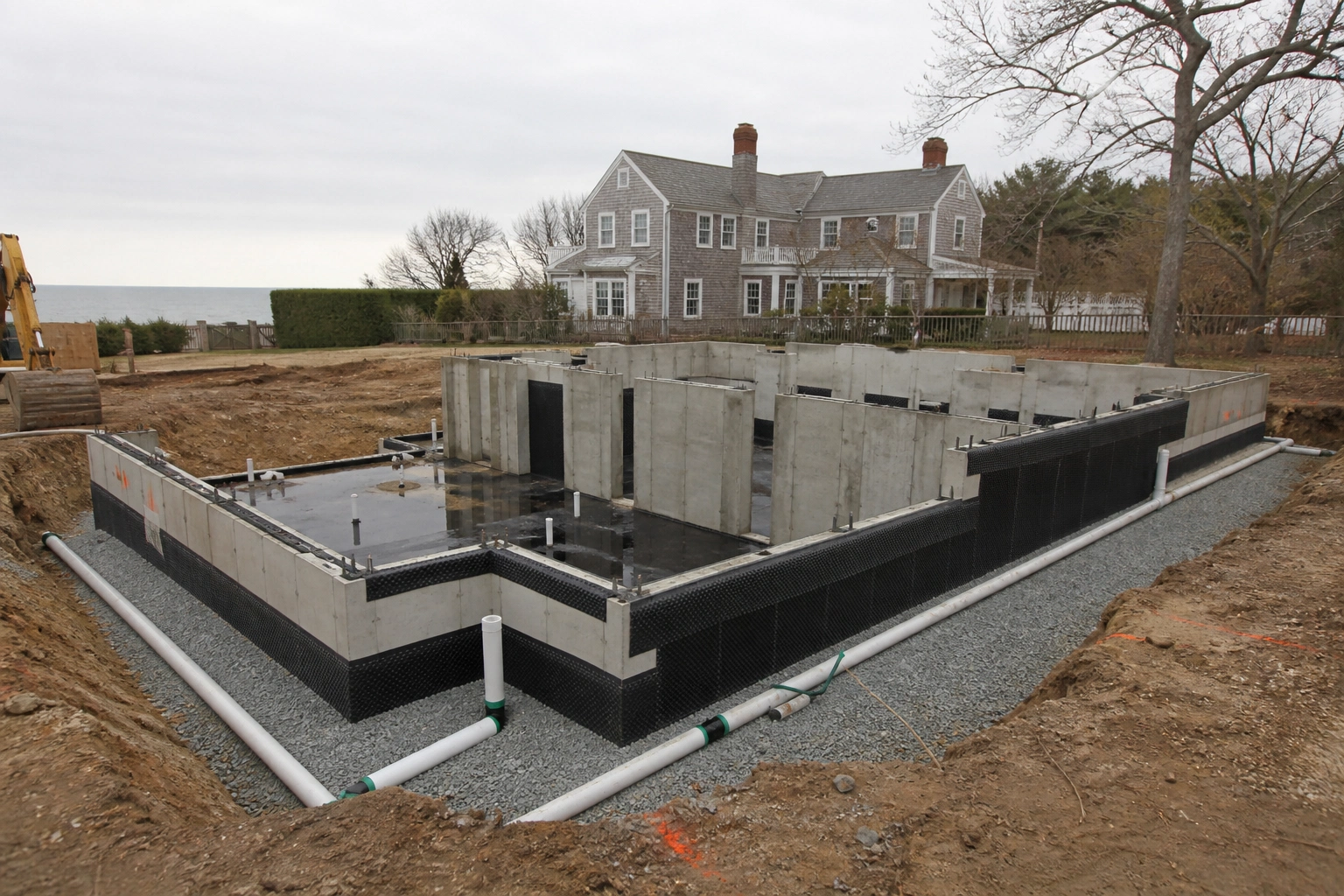
We pay particular attention to the “connection joints” where the new structure meets the old. Because different building materials and ages of wood expand and contract at different rates, these joints must be engineered with high-movement flashing systems and redundant waterproofing membranes. This prevents the common issues of leaks and air infiltration that often occur at the junction of two disparate construction phases. By prioritizing the integrity of the building envelope, we ensure that the modern wing performs to twenty-first-century standards while sitting comfortably within a nineteenth-century silhouette.
Upgrading the Core Infrastructure
An estate extension is the ideal opportunity to audit and upgrade the home’s central mechanical heart. In many Wainscott renovations, the original boiler and electrical panels are insufficient to handle the load of a new five-thousand-square-foot wing. Instead of simply adding secondary systems, we often recommend a centralized upgrade to high-efficiency geothermal or variable-refrigerant-flow (VRF) technology.
This centralized approach allows for a more streamlined mechanical layout and reduces the need for multiple exterior condenser units that can clutter the landscape. We coordinate the installation of new sub-panels and smart-home hubs within the extension, allowing for granular control of lighting, climate, and security across the entire property. This infrastructure-first mindset ensures that the “modern” part of the wing is not just a visual claim, but a technical reality.
Interior Flow and Spatial Logic
A successful extension should improve the internal logic of the house, not complicate it. In Wainscott estates, this often involves reconfiguring the original floor plan to create a more natural transition into the new wing. We look for opportunities to “open up” the connection points, using wide portals or consistent flooring materials to create a sense of unified space.
Whether the new wing houses a professional-grade kitchen or a light-filled art gallery, the transition must feel intentional. We oversee the alignment of floor levels and the matching of plaster finishes to ensure that the interior experience is as seamless as the exterior facade. This focus on the “connective tissue” of the home is what transforms a simple addition into a true revitalization of the estate.
Conclusion
Expanding a classic Wainscott estate is a delicate exercise in architectural stewardship. It requires a deep understanding of traditional shingle-style proportions paired with the technical capability to execute modern, high-performance construction. When the project is managed with a focus on material authenticity and structural precision, the result is a residence that feels both cohesive and refreshed.
The goal of a seamless extension is to protect the original character of the home while providing the space and technology required for a modern lifestyle. By maintaining a disciplined approach to design-alignment and infrastructure-integration, property owners can increase the value and utility of their estate without compromising its soul. This balance between preservation and progress is what defines the most successful architectural transformations in the Hamptons.