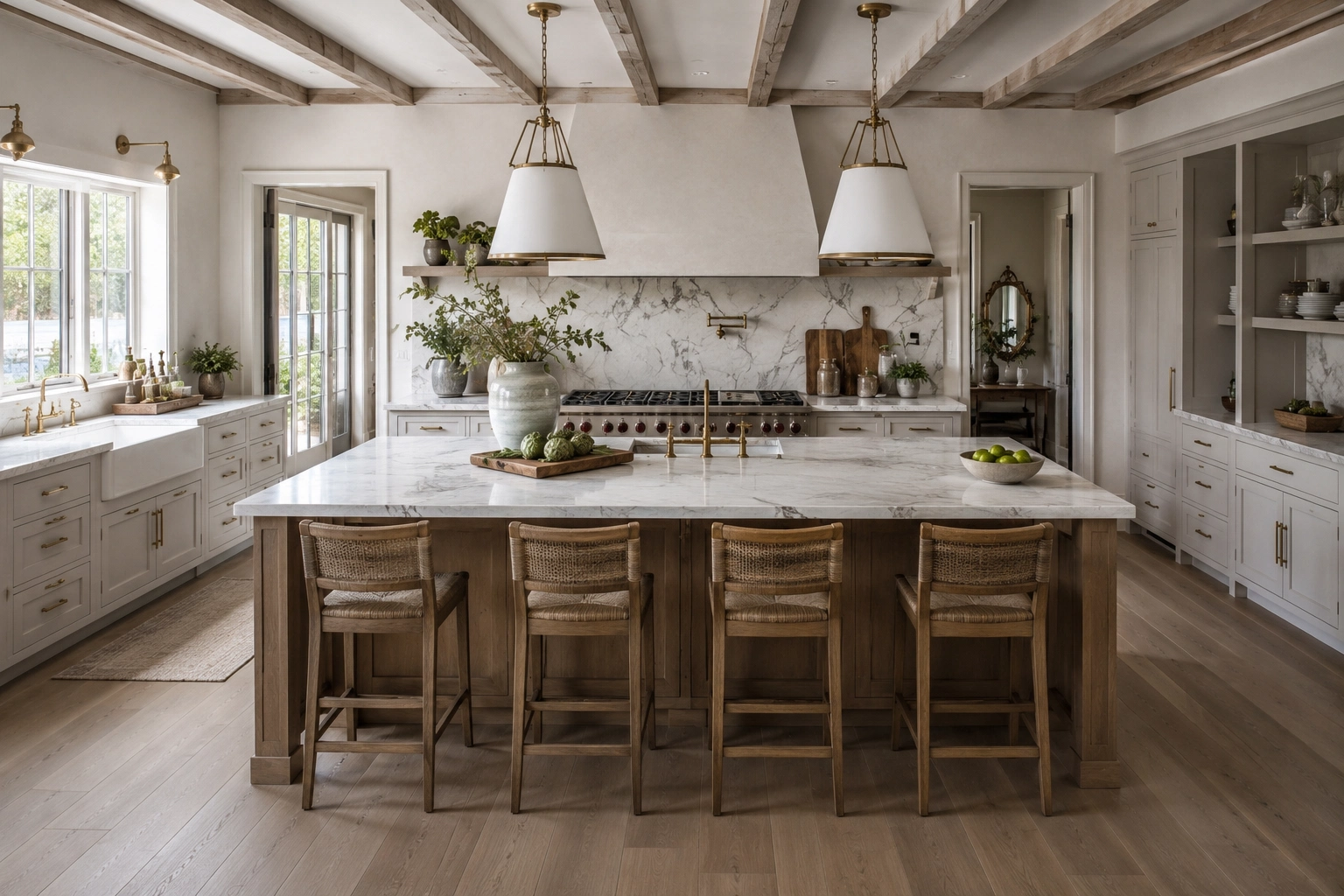
East Quogue remains one of the more understated corners of the Hamptons, characterized by a mix of historic bayfront cottages and mid-century modern residences. When approaching a kitchen remodel in this region, the objective is rarely to create a generic showroom. Instead, the focus is on a high-performance culinary environment that respects the existing architectural soul of the home. Achieving this balance requires a disciplined integration of professional-grade appliances within a framework of artisanal finishes and custom-engineered infrastructure.
Engineering the Culinary Foundation
A chef-grade kitchen places immense demand on a home’s core infrastructure. Before the first cabinet is installed, we conduct a comprehensive audit of the electrical, plumbing, and gas delivery systems. Professional ranges, such as those from La Cornue or Wolf, often require high-capacity gas lines and dedicated high-amperage electrical circuits that exceeds standard residential specifications.
In many East Quogue renovations, this necessitates an upgrade to the home’s main service panel and the installation of larger diameter gas piping. Furthermore, the weight of commercial-grade appliances and heavy stone surfaces like soapstone or thick-vein Calacatta marble may require structural reinforcement of the floor joists. By addressing these “below-the-surface” requirements during the demolition phase, we ensure that the kitchen performs with the reliability of a commercial space while maintaining the residential character of the home.
High-Volume Ventilation and Makeup Air
One of the most critical, yet often overlooked, aspects of a professional kitchen remodel is the ventilation system. A high-output range produces significant heat, moisture, and grease that must be evacuated efficiently to protect the home’s interior finishes and air quality. We oversee the installation of custom-engineered hoods with high-CFM (cubic feet per minute) external blowers.
Because these powerful fans can create a vacuum effect in tightly sealed modern homes, we integrate “makeup air” systems. These systems automatically introduce fresh, tempered air back into the home to balance the pressure when the range hood is active. This is a technical requirement for both safety and comfort, ensuring that the kitchen remains a pleasant environment for both cooking and social gathering without the noise and turbulence of an under-engineered system.
Material Authenticity and Architectural Context
To maintain the architectural heritage of East Quogue, the material palette should feel grounded in the local vernacular. This often involves a move away from high-gloss modernism in favor of “living finishes” that develop a patina over time. Reclaimed wood flooring, hand-glazed tile backsplashes, and unlacquered brass hardware provide a tactile connection to the region’s maritime and agricultural history.
We work closely with custom millwork shops to design cabinetry that reflects the proportions of the original architecture. Whether utilizing traditional inset doors for a shingle-style cottage or minimalist rift-sawn oak for a mid-century bayfront, the goal is a seamless visual transition. By integrating “appliance garages” and integrated paneling, we can hide the high-tech elements of the kitchen behind a facade of traditional craftsmanship, preserving the home’s historical narrative.
Zone-Based Spatial Programming
A chef’s kitchen is defined by its workflow. We move beyond the traditional “work triangle” toward a zone-based layout that accommodates multiple tasks simultaneously. This includes dedicated stations for prep, cooking, cleanup, and a “coffee or beverage bar” that keeps guests away from the primary culinary path.
For East Quogue homes that frequently host large gatherings, we often incorporate “scullery” or “pantry” spaces. These secondary kitchens house the dishwasher, extra refrigeration, and heavy-duty sinks, allowing the main kitchen to remain a clean, aesthetically focused center for entertaining. This spatial logic ensures that even during high-volume events, the kitchen functions with an effortless precision that supports the chef’s needs while maintaining a relaxed atmosphere for guests.
Precision Lighting and Smart Integration
The lighting plan for a high-performance kitchen must be as layered as the cooking itself. We implement a three-tier lighting strategy: task lighting for work surfaces, ambient lighting for the overall environment, and accent lighting to highlight architectural details. Under-cabinet LEDs with a high Color Rendering Index (CRI) are essential for accurate food preparation, while dimmable decorative pendants provide the necessary warmth for dining.
These systems are integrated into a centralized smart-home platform, allowing for “scenes” that transition the kitchen from a bright, high-energy workspace to a low-lit, intimate social lounge. By automating the lighting and climate controls, we ensure the kitchen responds intuitively to the time of day and the specific needs of the inhabitants, further enhancing the luxury experience.
Conclusion
Kitchen remodeling in East Quogue is an exercise in technical harmony. It is about equipping a home with the power and precision of a professional restaurant while ensuring the space remains an inviting, historically sensitive heart of the residence. This successful marriage of heritage and performance is achieved through meticulous pre-construction planning and a commitment to material authenticity.
Ultimately, a well-executed kitchen should feel as though it has always been a part of the house, even as it delivers the highest levels of modern utility. By prioritizing the invisible engineering of ventilation, structural support, and smart integration, we create a culinary sanctuary that honors the past while performing for the future. This disciplined approach ensures that the kitchen remains a high-value asset and a source of enduring enjoyment for the modern estate owner.