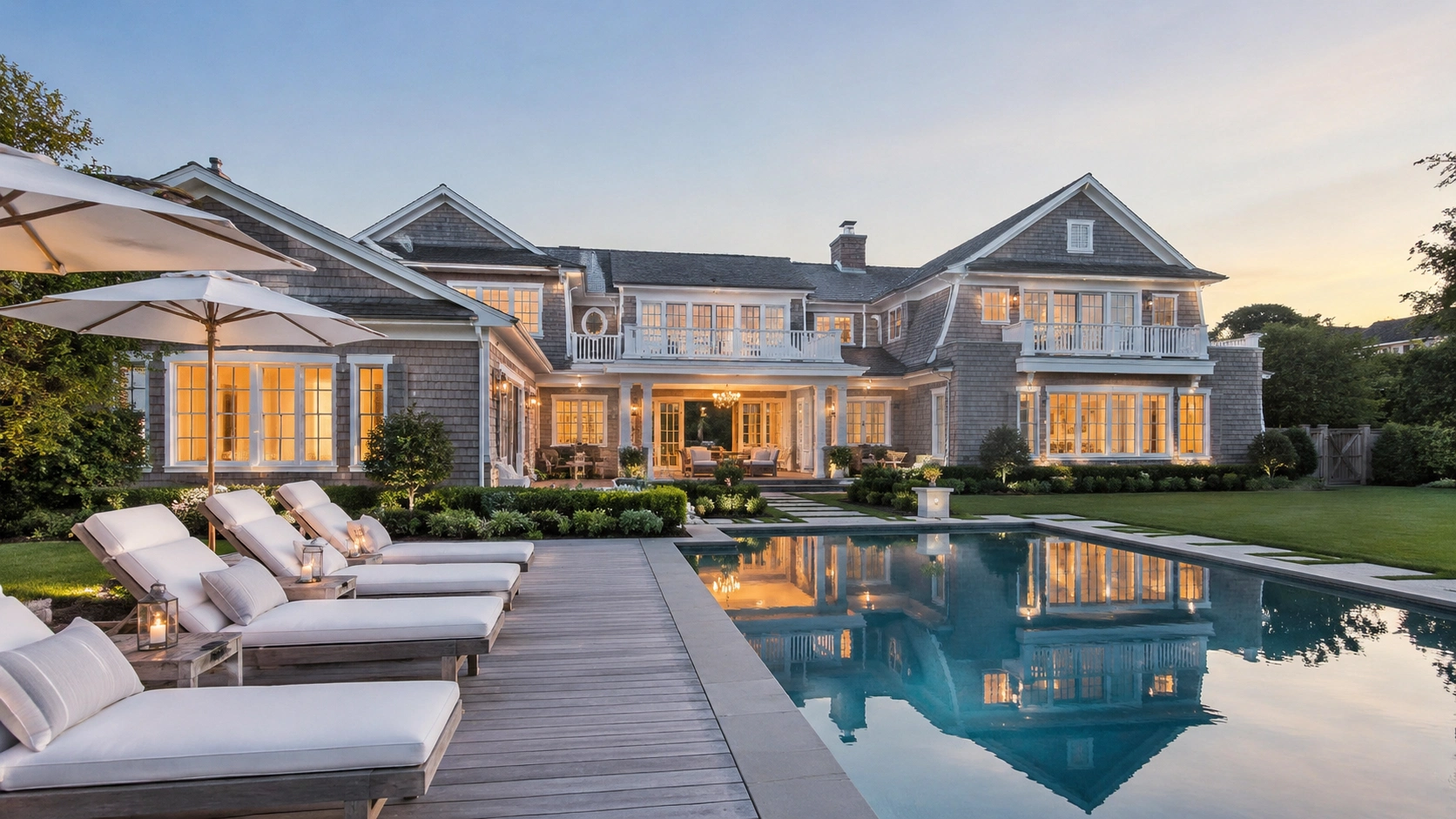
Building or renovating a home in the Hamptons comes with a different set of rules than almost anywhere else on Long Island. Between a patchwork of village zoning codes, coastal flood requirements, and a construction calendar shaped by the social season, even experienced homeowners often find the process more involved than expected.
Choosing among the luxury home builders in the Hamptons means understanding more than who has the best portfolio. It means knowing how a firm is structured to manage your project, what local regulations will shape your timeline, and where your budget actually goes. This guide covers what high-end homeowners should know before signing a contract, from the different types of building partners available to the realities of cost, permitting, and seasonal scheduling across the East End.
What Makes Luxury Home Building in the Hamptons Different
Luxury construction here is shaped by three things working together: a patchwork of local jurisdictions, coastal exposure, and a client base with highly specific, often personal programs in mind.
The Hamptons isn’t one market. It’s a string of villages and hamlets, each with its own building department, zoning code, and review process. Southampton, East Hampton, Sag Harbor, Bridgehampton, Water Mill, and Montauk all fall under different jurisdictions, even though they share a regional identity and, often, a shared architectural language.
Many properties also sit close enough to the ocean, a bay, or tidal wetlands that flood elevation requirements, erosion setbacks, and storm-resistant construction methods become part of the design conversation from day one rather than an afterthought.
Homeowners building or renovating in the Hamptons also tend to have specific programs in mind: a wine cellar, a pool house that doubles as a guest suite, or a primary residence designed for both quiet winters and full-capacity summer entertaining. A builder accustomed to standard suburban construction may not have the trade relationships or materials knowledge to execute at that level.
Put together, these factors mean local experience isn’t just a nice-to-have. A team that has worked through East Hampton’s permitting process, or built a foundation system for a property in a coastal erosion hazard area, brings knowledge that shortens timelines and avoids costly redesigns later.
Design-Build, General Contractor, or Construction Manager: Know Your Options
The three most common structures for a luxury Hamptons project are a general contractor, a design-build firm, and a construction manager, often paired with an owner’s representative. Each one changes who is accountable for what, and how involved you’ll be day to day.
A general contractor typically steps in once an architect has finished the design, then bids out the work and manages the trades to build it.
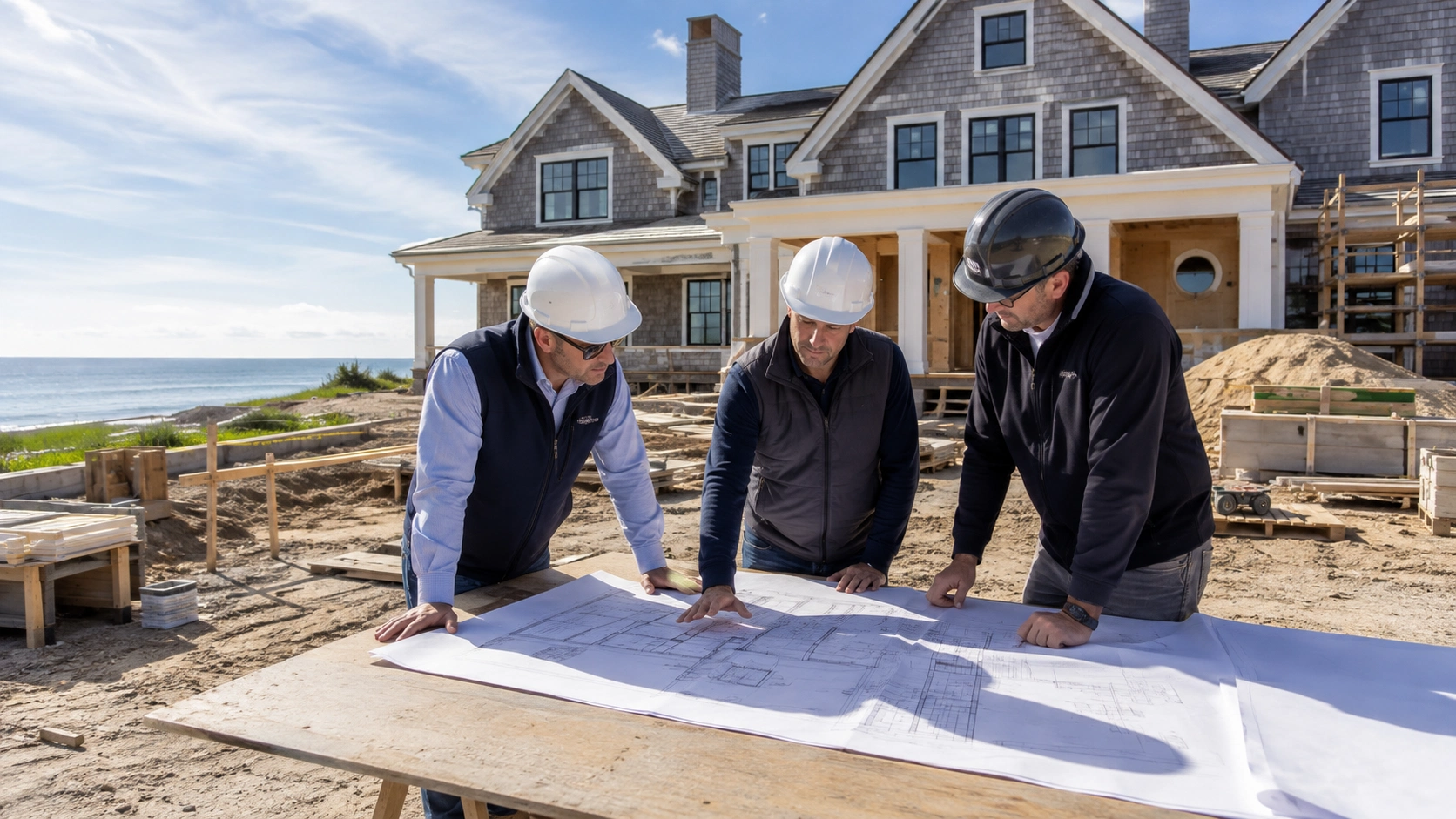
A design-build firm folds design and construction into a single team from the start. Architects, builders, and often interior designers work together from the earliest concept sketches through the final walkthrough. This tends to reduce back-and-forth between separate design and construction teams and keeps the budget grounded in what can actually be built.
Construction management is a different relationship again. A construction manager oversees the schedule, budget, and trade coordination on the homeowner’s behalf, often working alongside an independently hired architect.
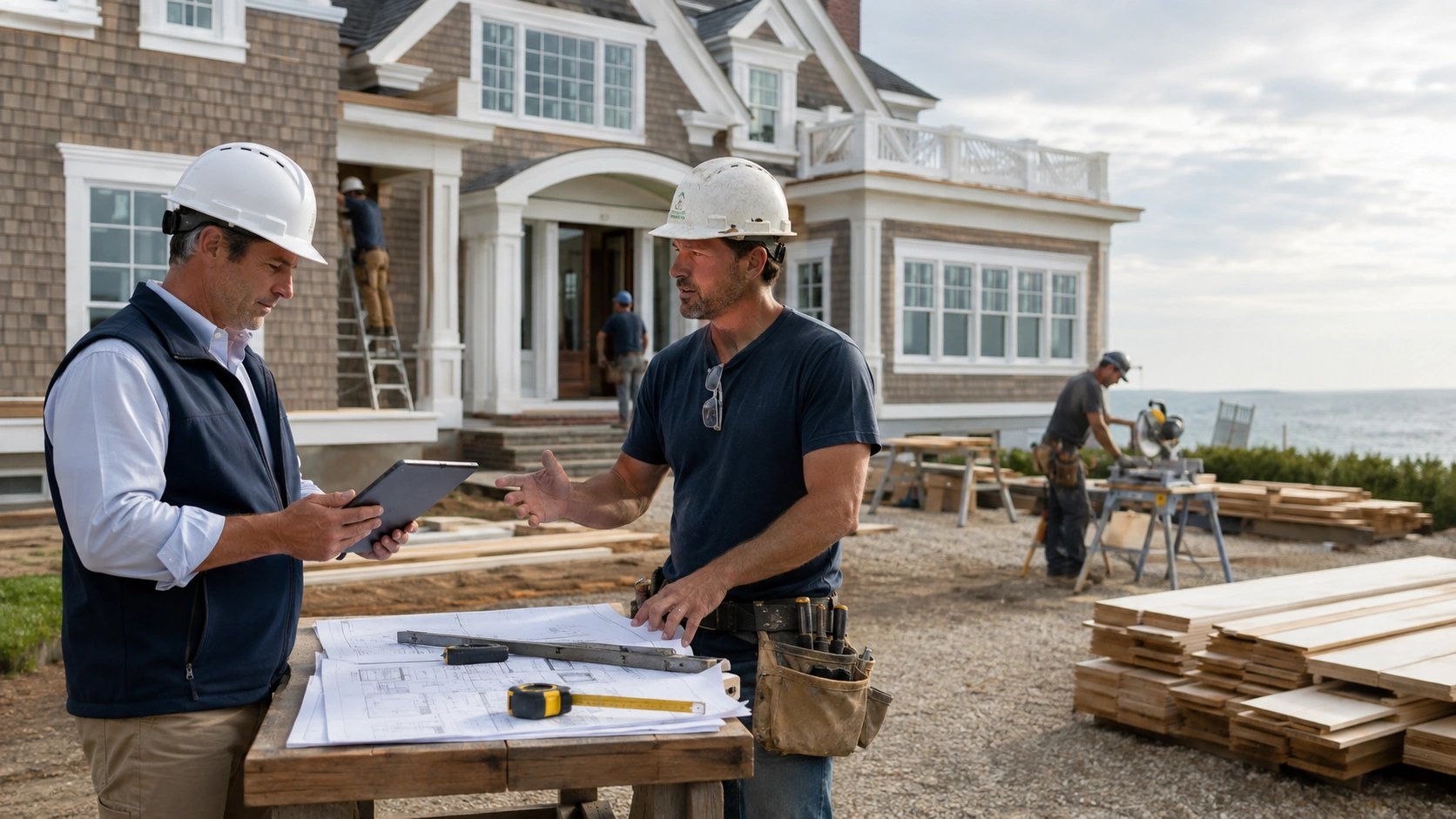
Owner’s representation goes a step further. An owner’s representative acts purely as the homeowner’s advocate: reviewing contracts, monitoring quality, and managing communication with the building team.
Side by side, the differences look like this:
| Model | How It Works | Best Fit For |
| General Contractor | Builds from a completed design, bids out the work, and manages trades and schedule | Homeowners who already have a finished design team and want a builder focused purely on execution |
| Design-Build Firm | Combines design and construction under one team, from early concept sketches through the final walkthrough | Homeowners who want a single point of contact from the first sketch and a budget grounded in what can be built |
| Construction Manager | Oversees budget, schedule, and trade coordination on the homeowner’s behalf, often alongside an independently hired architect | Renovation projects touching multiple rooms or systems, where the homeowner wants single-point accountability without giving up design control |
| Owner’s Representative | Acts solely as the homeowner’s advocate, reviewing contracts, monitoring quality, and managing communication with the building team | Homeowners who split time between the Hamptons and another residence and want someone watching the project closely |
Many homeowners use more than one of these models over the life of a property. A design-build firm might handle new construction, while construction management or owner’s representation steps in for a later renovation phase.
Zoning, Permits, and Coastal Regulations You’ll Run Into
Every village and town in the Hamptons enforces its own zoning code, and many properties also fall under additional state and federal rules tied to flood risk and wetlands.
Southampton, East Hampton, and the villages within them, including Sag Harbor, Southampton Village, and East Hampton Village, each maintain separate building departments, setback rules, and lot coverage limits. A renovation that’s straightforward in one village might require a variance from the local Zoning Board of Appeals in another, particularly for additions, pool placement, or accessory structures like guest cottages.
Properties near the ocean, a bay, or tidal wetlands often fall into FEMA flood zones: commonly an A Zone for areas at risk from rising water, or a V Zone for coastal high-hazard areas exposed to wave action. Homes in these zones typically need elevated foundations, and permitting usually requires an elevation certificate from a licensed surveyor.
Coastal erosion hazard areas add another layer, particularly for oceanfront and bayfront lots, where additional review can apply to anything from new construction to retaining walls and dune work. Historic districts in villages like East Hampton and Southampton bring architectural review boards into the process as well, especially for exterior changes to homes within designated districts.
None of this needs to be intimidating, but it explains why permitting timelines in the Hamptons often run longer than homeowners expect. A builder’s existing relationships with local building departments can meaningfully affect how smoothly a project moves from approval to groundbreaking.
What Drives Cost and Timeline for a Luxury Build
Cost and timeline on the East End are shaped less by square footage alone and more by site conditions, finish level, and the regulatory layers covered above.
Construction costs for high-end Hamptons homes commonly run well above $600 per square foot, and projects with extensive custom millwork, imported materials, or complex mechanical systems can climb considerably higher. The range is wide because two homes of similar size can carry very different price tags depending on foundation requirements, site access, and the level of customization in kitchens, baths, and outdoor living spaces.
Land and site work often cost more here than the regional average, too. Sandy soil, high water tables, and the need for erosion controls or elevated foundations on coastal lots all add to the budget before a wall goes up.
Timeline depends heavily on permitting. New construction, or any project requiring a variance, can take several months to clear before work even begins. Once underway, a substantial renovation might run six months to a year, while ground-up construction on a large estate often takes well over a year from groundbreaking to certificate of occupancy.
Many Hamptons properties are second homes used primarily in summer, so homeowners often plan construction to wrap before Memorial Day, which means starting design and permitting the previous fall or winter. A builder who understands this rhythm will help set a realistic schedule rather than promise a timeline that ignores how local permitting offices and trade availability actually work.
Questions a High-End Homeowner Should Ask Before Hiring
The way a builder answers a few direct questions early on often says as much about how your project will go as the answers themselves. Before signing anything, consider asking:
- How many active projects is your team managing right now, and who will be my direct point of contact?
- What does your standard contract include, and how are changes to scope or finishes priced?
- Can I see examples of recent work with site conditions similar to mine, including any coastal or flood zone properties?
- How do you handle permitting and inspections with the local building department, and what’s a realistic timeline for my project?
- What happens if unexpected site conditions, such as poor soil or hidden structural issues, come up during construction?
A builder who can speak plainly about cost ranges, timeline variables, and past challenges is usually one that’s done this enough times to know where the friction points are. Vague answers to specific questions are worth noting.
Finding the Right Fit for Your Hamptons Project
Choosing among luxury home builders in the Hamptons comes down to matching a firm’s structure, experience, and communication style to how you want to be involved in your project. Some homeowners want a single team handling design and construction from the first sketch. Others want an independent advocate keeping watch over a project that’s already underway. Both approaches work well, and the right one depends on your property, your timeline, and how hands-on you want to be.
Hamptons Luxury Design + Construction works across these models, from design-build projects to construction management and owner’s representation, across Southampton, East Hampton, Sag Harbor, and the surrounding villages. If you’re weighing your options for an upcoming project, browsing recent work in the portfolio is a good place to start.
Frequently Asked Questions
Is cost per square foot a reliable way to compare Hamptons builders?
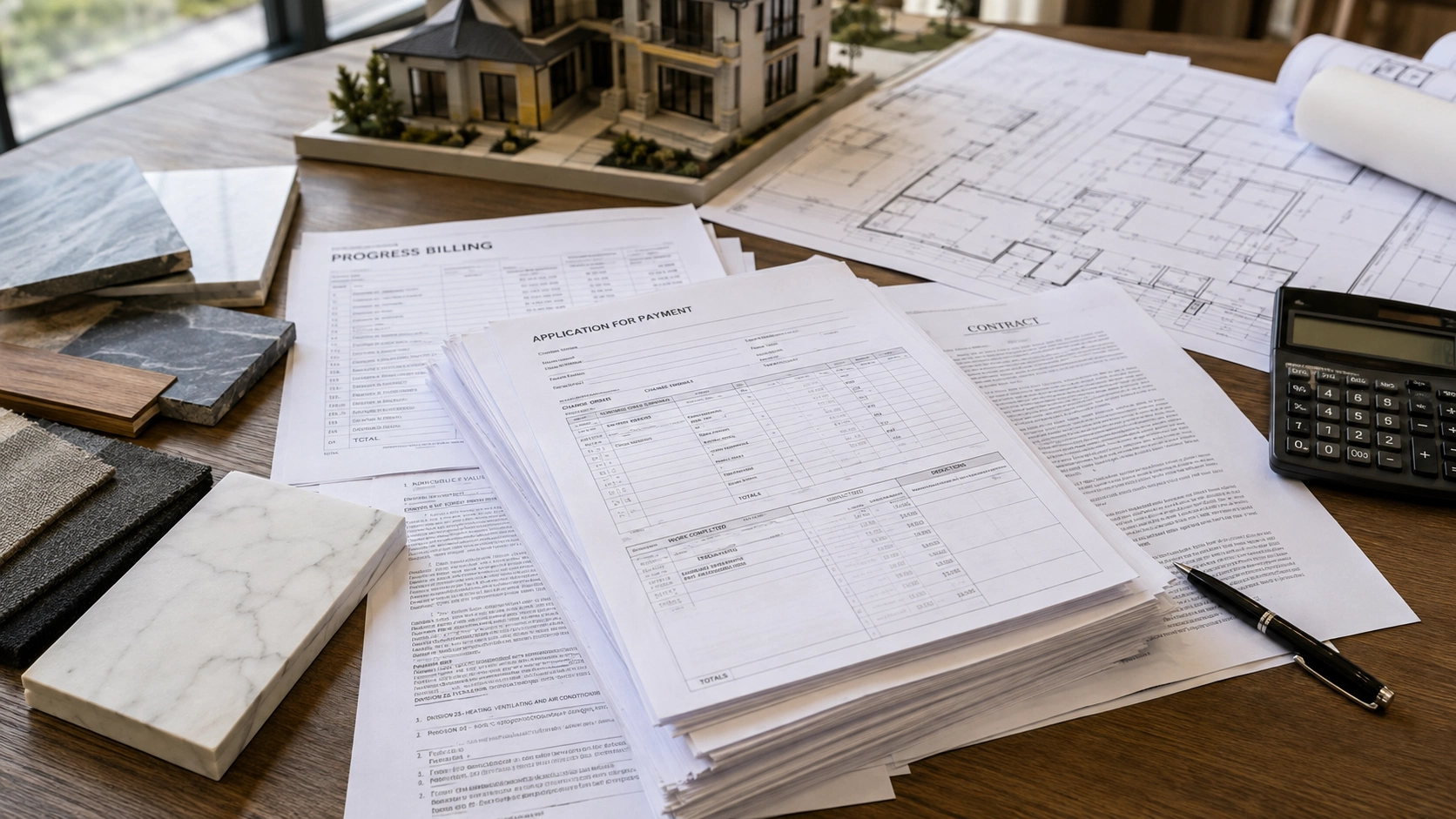
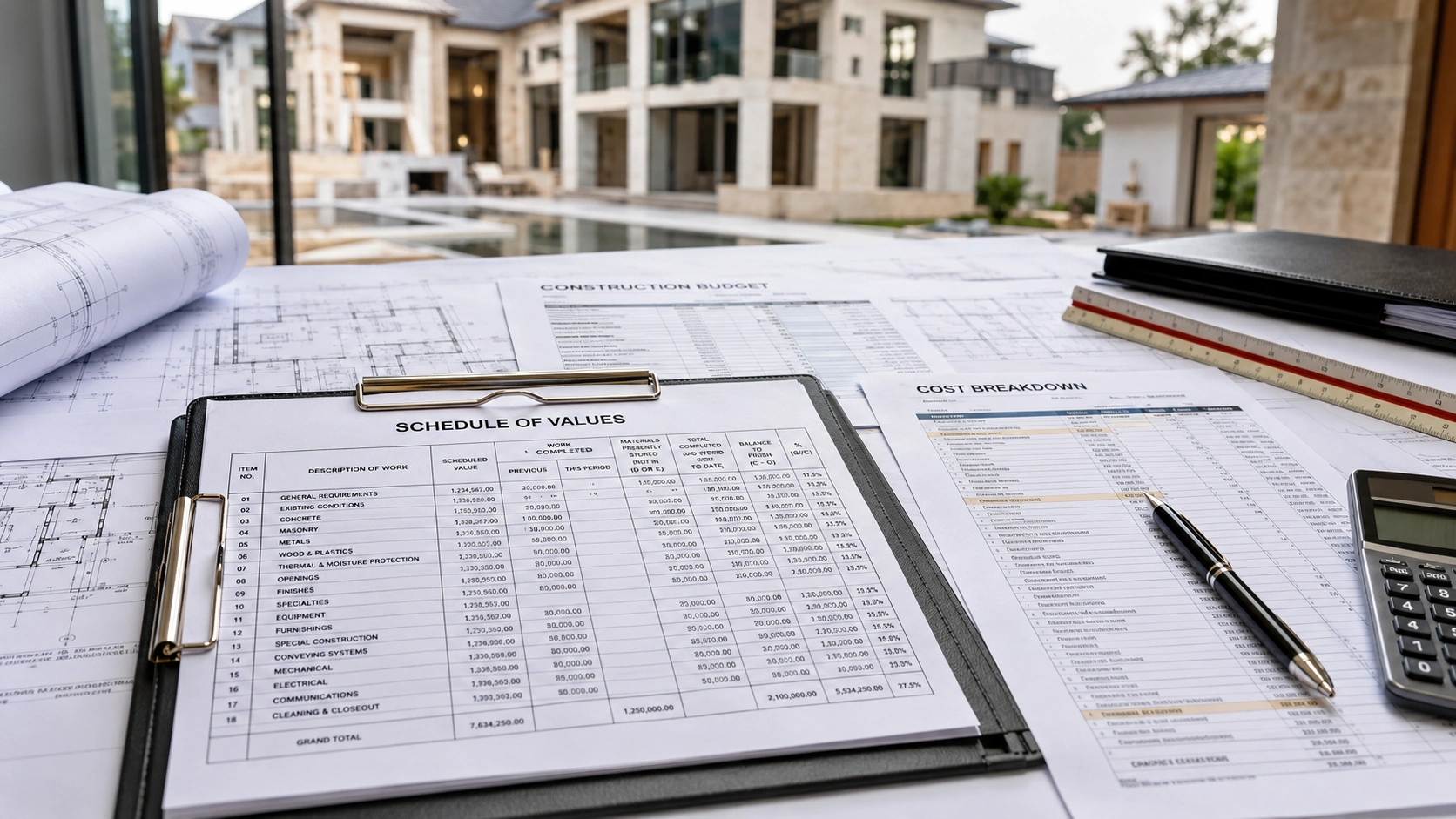
Cost per square foot is a useful starting point, but it can be misleading for luxury homes because it depends heavily on what’s included in a builder’s base price. Two quotes at the same per-square-foot figure can represent very different scopes once site work, foundation type, and finish allowances are factored in. Asking for an itemized budget that separates structure, finishes, and site work gives a clearer comparison than a single number.
Do I need to hire my own architect if I work with a design-build firm?
Not usually. Design-build firms typically have architects on staff or under contract as part of the team, so the architectural work is handled within the same contract as construction. Some homeowners still bring in an outside architect for a specific style or relationship, in which case the design-build firm coordinates with them rather than replacing them.
What’s the difference between a building permit and a zoning variance?
A building permit confirms that a project meets the applicable building code and zoning requirements as written, and is required for most new construction, additions, and significant renovations. A variance is a separate approval needed when a project doesn’t meet a specific zoning rule, such as a setback or height limit, and requires a hearing before the local Zoning Board of Appeals before a permit can move forward.
Does construction continue through the winter in the Hamptons?
Construction can continue through the winter, though the pace often slows. Frozen ground can delay excavation and foundation work, shorter daylight hours reduce productive time on site, and crews may shift focus toward interior trades during the coldest months. Builders who plan around this typically schedule site work and foundations for warmer months and move interior work into winter.
How involved do I need to be if I don’t live in the Hamptons year-round?
How involved you need to be depends on the model you choose. With construction management or owner’s representation, a dedicated team handles day-to-day oversight and keeps you updated through regular progress reports, photos, or calls, so you can stay informed without being on site. Homeowners who travel frequently often lean on these models for that reason.